
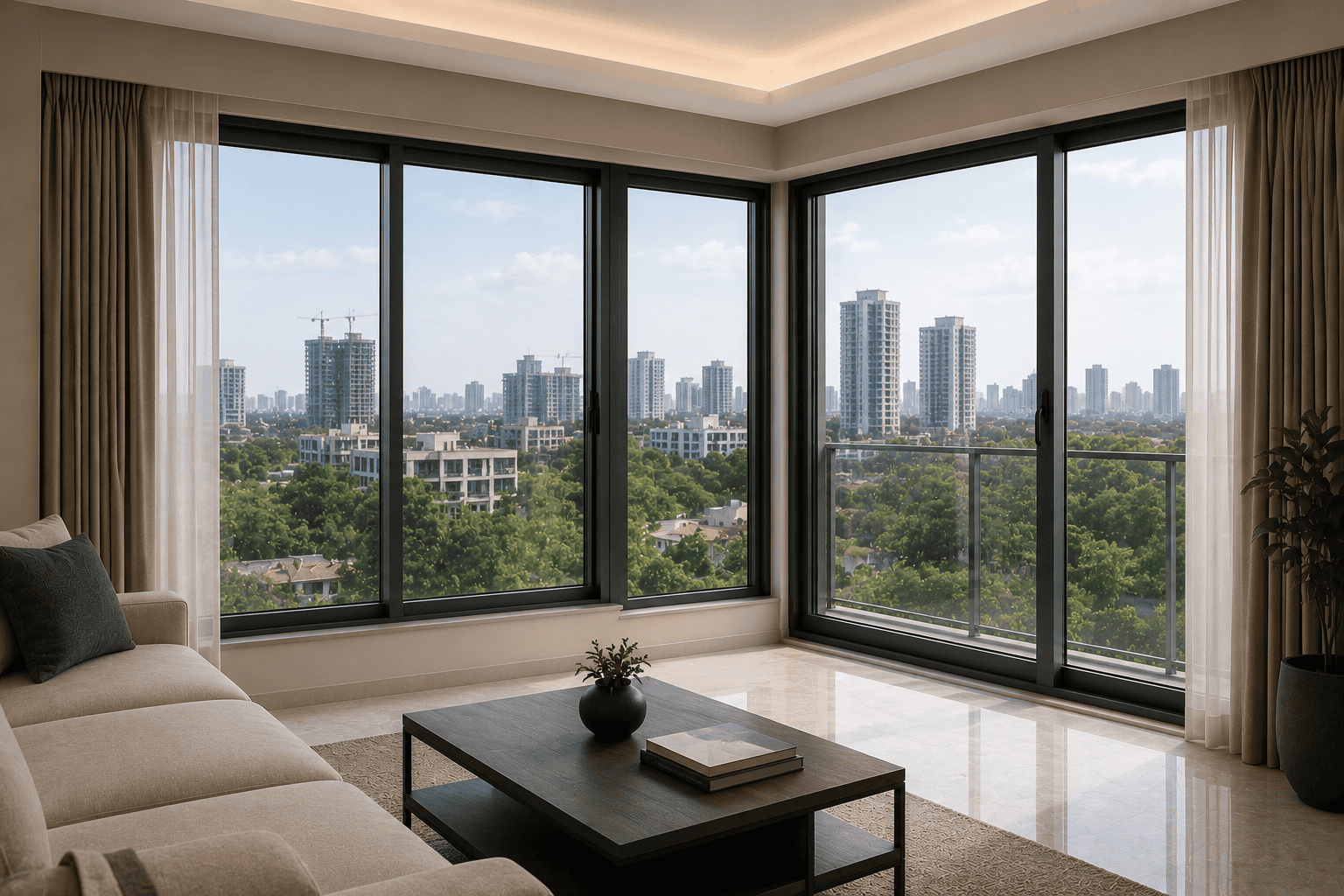
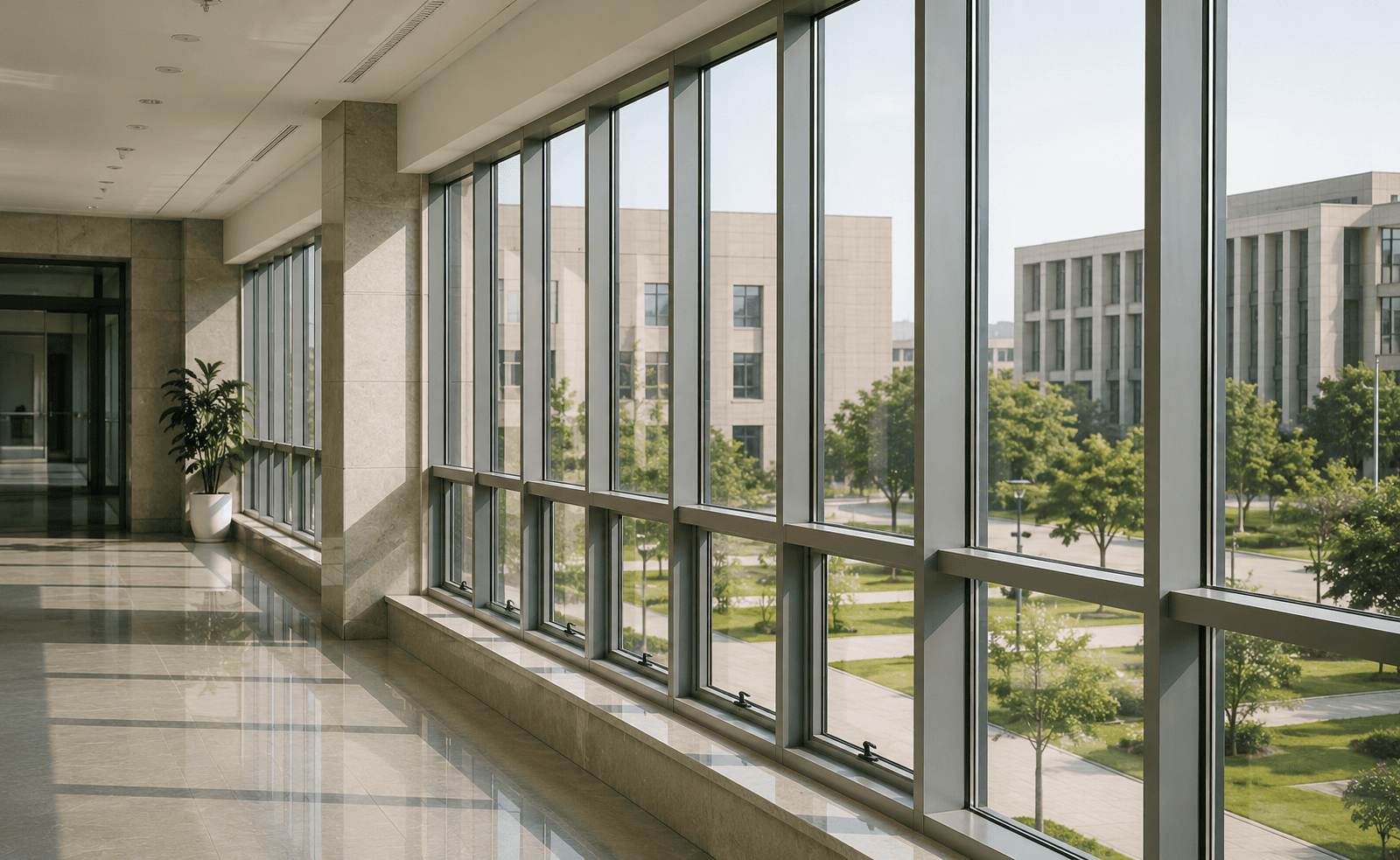
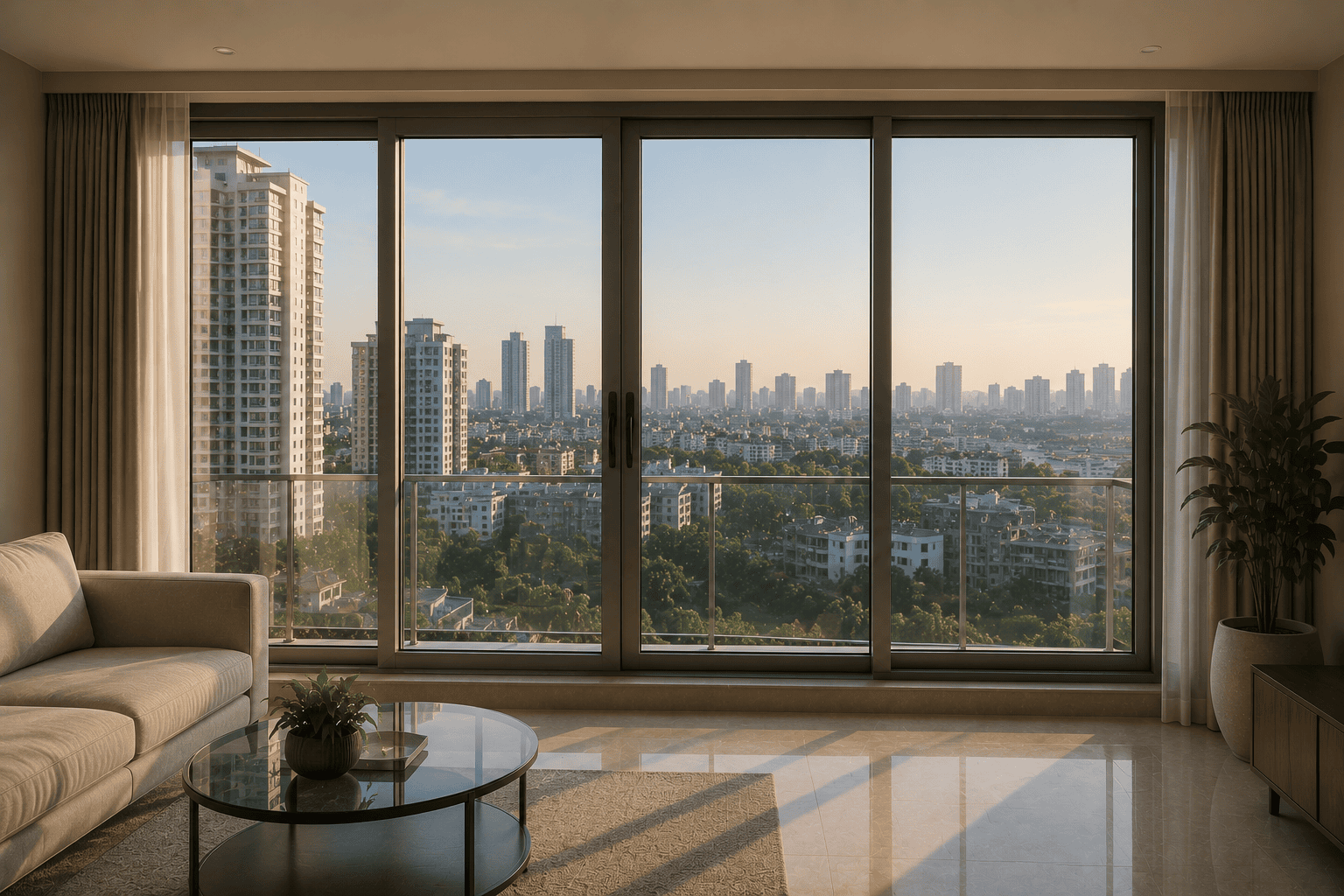
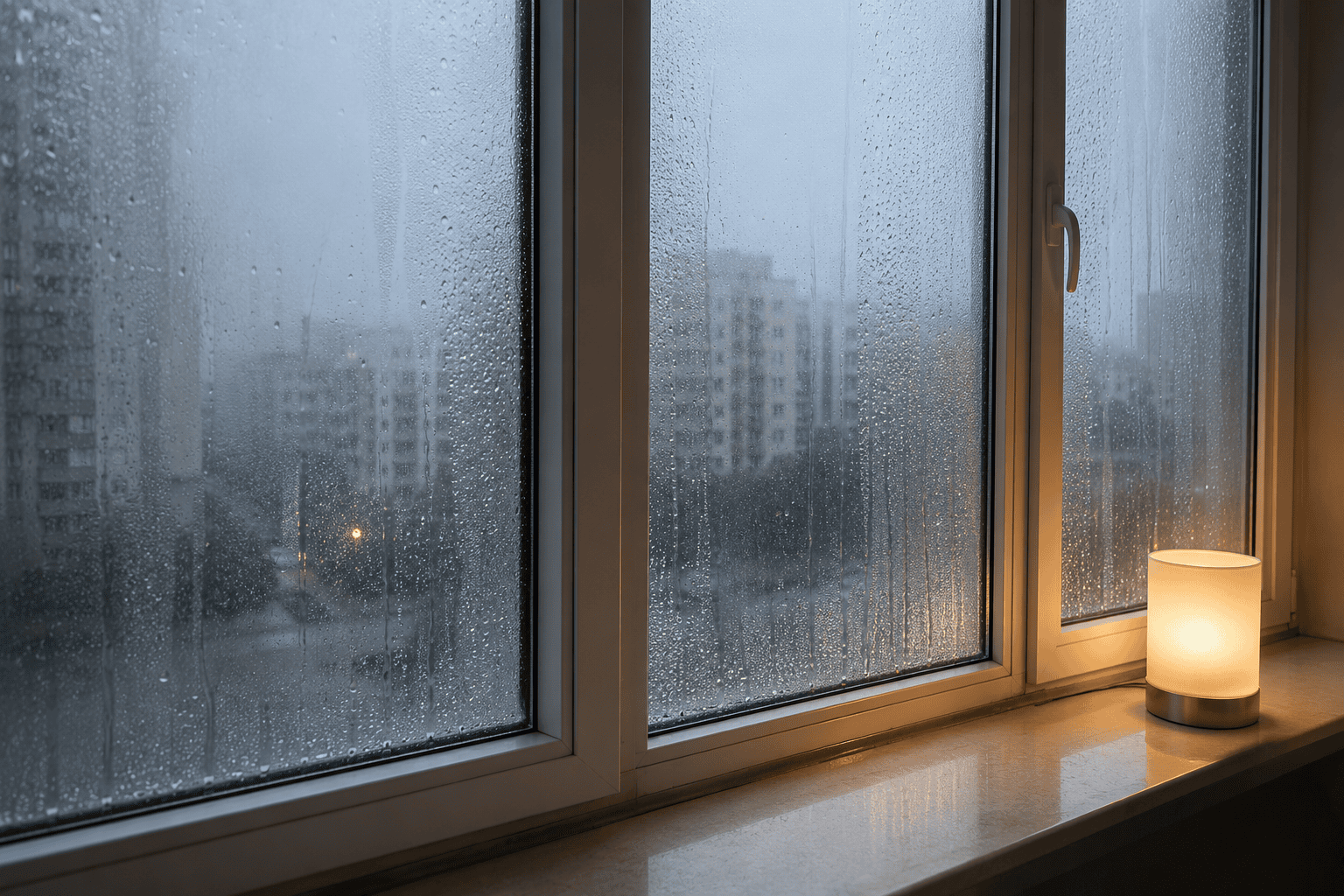

Bangalore has a reputation as India’s most liveable metro. Pleasant weather, green neighbourhoods, a cosmopolitan energy. And for much of the city, that reputation is deserved. But if you’ve bought or are considering a villa in Whitefield, Sarjapur Road, Electronic City, or Marathahalli, there’s a conversation about liveability that the project brochure almost certainly didn’t have with you.
The IT corridor has a noise problem. And in 2025, with villa communities along Outer Ring Road, ITPL Road, and Sarjapur sprouting faster than infrastructure can keep up, it’s getting worse — not better.
The reflex response from most window suppliers when a buyer raises noise concerns is to recommend thermal break windows. That recommendation isn’t wrong — it’s just incomplete. Thermal break windows solve heat transfer. Noise is a different physics problem entirely, and it demands a different solution. Here’s what Bangalore IT corridor villa owners actually need to know.
The Specific Noise Profile of Bangalore’s IT Corridor
Not all urban noise is the same, and Bangalore’s IT corridor has a specific acoustic fingerprint that shapes what kind of window performs well there.
Outer Ring Road and Sarjapur Road traffic produces sustained broadband noise — the constant low-to-mid frequency rumble of heavy vehicles, buses, and the Bangalore cab economy that runs 24 hours. This type of noise is the hardest to attenuate because low-frequency sound waves travel through solid materials more easily than high-frequency ones. Standard double-glazed windows knock the edge off high-frequency sounds (horns, screeching) but do relatively little for the underlying rumble.
Construction noise from new projects is sharp, impulsive, and unpredictable — drills, compactors, pile drivers. In corridors where development is ongoing — which describes most of Whitefield and the Sarjapur stretch in 2025 — this is a significant daytime issue.
Metro and infrastructure work along Phase 2 and Phase 3 corridors adds vibration-transferred noise that enters through the building structure itself, not just through the window. Windows cannot solve this, but poorly sealed windows make it significantly worse by adding airborne infiltration on top of structural transmission.
Residential density in newer villa communities means that neighbourhood noise — vehicles, generators, construction within the campus itself — is constant background presence. In a premium villa costing ₹3–5 crore, this background noise level is not what the buyer anticipated.
Why Thermal Break Windows Alone Don’t Solve the Noise Problem
Thermal break windows are engineered to interrupt heat transfer through the frame. The polyamide strip separates the inner and outer frame sections so that outdoor temperatures cannot conduct inward through the metal. This is genuinely useful in Bangalore — the city’s mild weather means residents keep windows open longer than in Delhi or Mumbai, but the IT corridor’s heat island effect still drives AC use significantly.
But acoustic performance comes from a different mechanism entirely.
Sound travels as pressure waves through air and solid materials. To reduce sound transmission through a window, you need to:
1. Increase the mass of the glass — heavier glass is harder for sound waves to move. This is why thicker glass units perform better acoustically.
2. Break the acoustic resonance — two glass panes of the same thickness vibrate at the same frequency together, which creates a resonance effect that actually lets certain frequencies through more easily. Acoustic laminated glass uses a PVB (polyvinyl butyral) interlayer between the panes that damps vibration and breaks this resonance.
3. Maximise the air gap in a double-glazed unit — wider gaps between panes reduce sound transmission, particularly for mid-frequency sounds. The standard 12mm cavity in budget double-glazed units performs substantially worse acoustically than a 16mm or 20mm cavity.
4. Seal the perimeter properly — even the most acoustically specified window glass loses most of its performance if sound can travel around the frame through gaps in the wall-frame joint.
A thermal break frame contributes to acoustic performance primarily through better perimeter sealing — the compression seal system maintains its integrity better over time, which reduces air gaps through which sound travels. But the glass specification is doing the majority of the acoustic work, and a thermal break frame with standard glass is not an acoustic window.
The Right Specification for Bangalore IT Corridor Villas
For villa owners in Whitefield, Sarjapur, Electronic City, and Marathahalli, the specification that actually delivers noise reduction needs to combine frame integrity and glass acoustics:
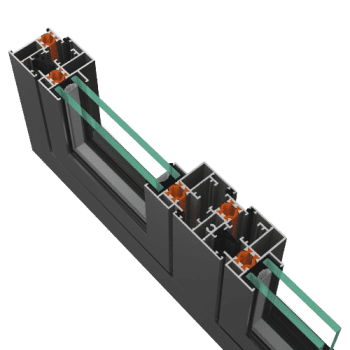
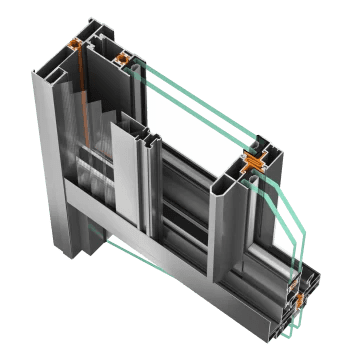
Frame: Thermally broken aluminium with multi-point compression seals. The frame’s contribution to acoustic performance is in seal quality — keeping the perimeter airtight. A thermal break frame maintains those seals better than standard aluminium through Bangalore’s temperature and monsoon cycles.
Glass: Acoustic laminated double-glazed unit — one pane of clear float glass bonded to a PVB acoustic interlayer, paired with a second pane across an optimised cavity (16mm minimum for meaningful low-frequency attenuation). This is the specification that makes a perceptible difference against Bangalore’s traffic rumble and construction noise profile.
Cavity gas fill: Argon-filled double-glazed units perform better acoustically and thermally than air-filled units at the same cavity width. Worth specifying in premium villa projects.
Perimeter sealing: Three-layer system — PU foam backing, vapour-permeable membrane tape, interior sealant bead. This is non-negotiable. The most expensive acoustic glass unit loses its performance if sound travels freely through the frame-wall joint.
What this combination delivers: meaningful reduction in perceived noise levels — the difference between a room where you’re aware of the traffic and one where it becomes genuine background that doesn’t interrupt conversation, sleep, or focused work.
Bangalore’s Premium Villa Segment Is Waking Up to This
In 2024–25, more villa buyers in the ₹2.5 crore and above segment are specifically including acoustic window performance in their purchase criteria. RWA committees in established villa communities in Whitefield and Sarjapur are receiving increasing requests from residents seeking window replacement specifically for noise — not heat.
This is a genuine shift. For years, the conversation was almost entirely thermal — AC costs, energy efficiency, comfort in summer. Noise is now equally front-of-mind, driven by the density of development along the IT corridor and the growth of work-from-home as a permanent mode for a significant portion of Bangalore’s tech workforce.
Working from home in a villa where you can clearly hear the ORR from your study is not working from home in the way that the post-2020 lifestyle shift promised. It’s a solvable problem — but only with the right window specification.
Thermaline® for Bangalore Villa Acoustic Performance
Thermaline® has over 20 years of experience engineering thermally broken aluminium window systems for Indian conditions. Our EcoCasement® and EcoSlide® systems are available with acoustic laminated glass specifications tailored for Bangalore’s IT corridor noise profile — combining thermal break frame performance with the glass specification that actually attenuates the broadband traffic noise these neighbourhoods generate.
We assess each villa project individually: orientation, floor level, proximity to the noise source, and existing wall construction all affect which specification delivers the best acoustic outcome. A west-facing study in a villa 50 metres from Sarjapur Road needs a different spec than a north-facing bedroom in a gated community 300 metres from the nearest main road.
Speak to the Thermaline® team before your next window purchase or replacement in Bangalore. The right spec makes the difference between a villa that sounds premium and one that merely looks it.
