
Let’s be honest. You’ve probably spent months perfecting the look of your new home—the Italian tiles, the custom lighting, the perfect shade of grey paint. But when it comes to the windows? Most homeowners just look for “something durable” and “something cheap.”
That is the single biggest mistake you can make.
Your windows are the boundary between your comfortable sanctuary and India’s unpredictable climate—the heat, the noise, the dust, and the downpours. They are the biggest determining factor in your home’s energy efficiency and long-term comfort.
Right now, the market choice boils down to two heavyweights: Aluminium and uPVC. It’s a fight that can’t be decided on price alone. You need to understand the structural, aesthetic, and thermal reality of each material, especially in our extreme conditions.At Thermaline, we look past the marketing claims and focus on the engineering performance. Let’s settle this once and for all.
The Contenders: A Quick Gut Check
Before we look at performance, let’s understand the materials on a basic level:
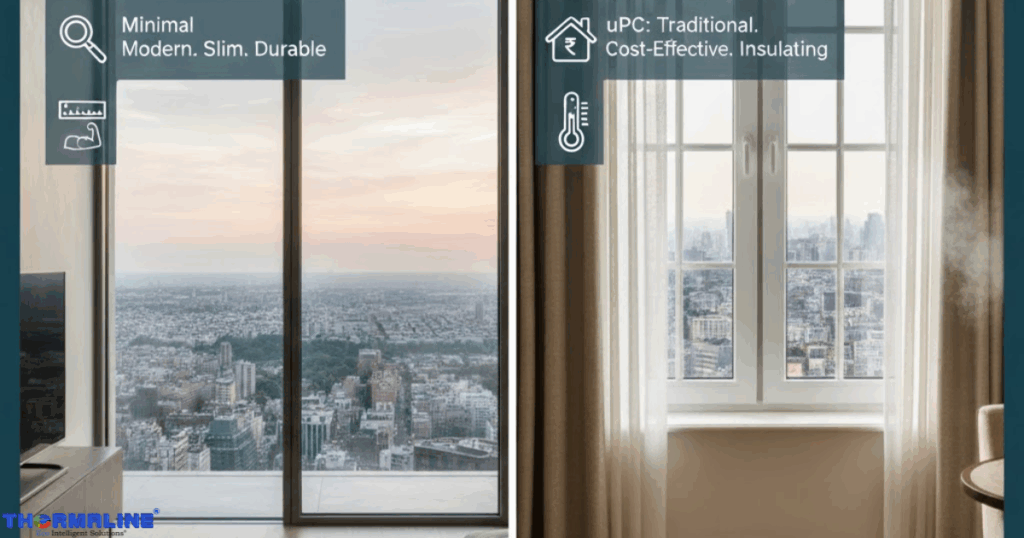
- uPVC (Unplasticized Polyvinyl Chloride): A rigid plastic. It’s naturally a great insulator, but its structural limitations mean it’s often bulky and less capable of holding massive glass panels.
- Aluminium: A metal known for its strength and malleability. Modern aluminium systems are the go-to for architects because they allow for beautiful, slim profiles and huge openings. But because it’s metal, the thermal engineering is everything.
Round 1: Aesthetics and Architectural Vision
This is the non-negotiable round. How do you want your home to look?
| Factor | uPVC Reality | Aluminium Reality | The Expert Take |
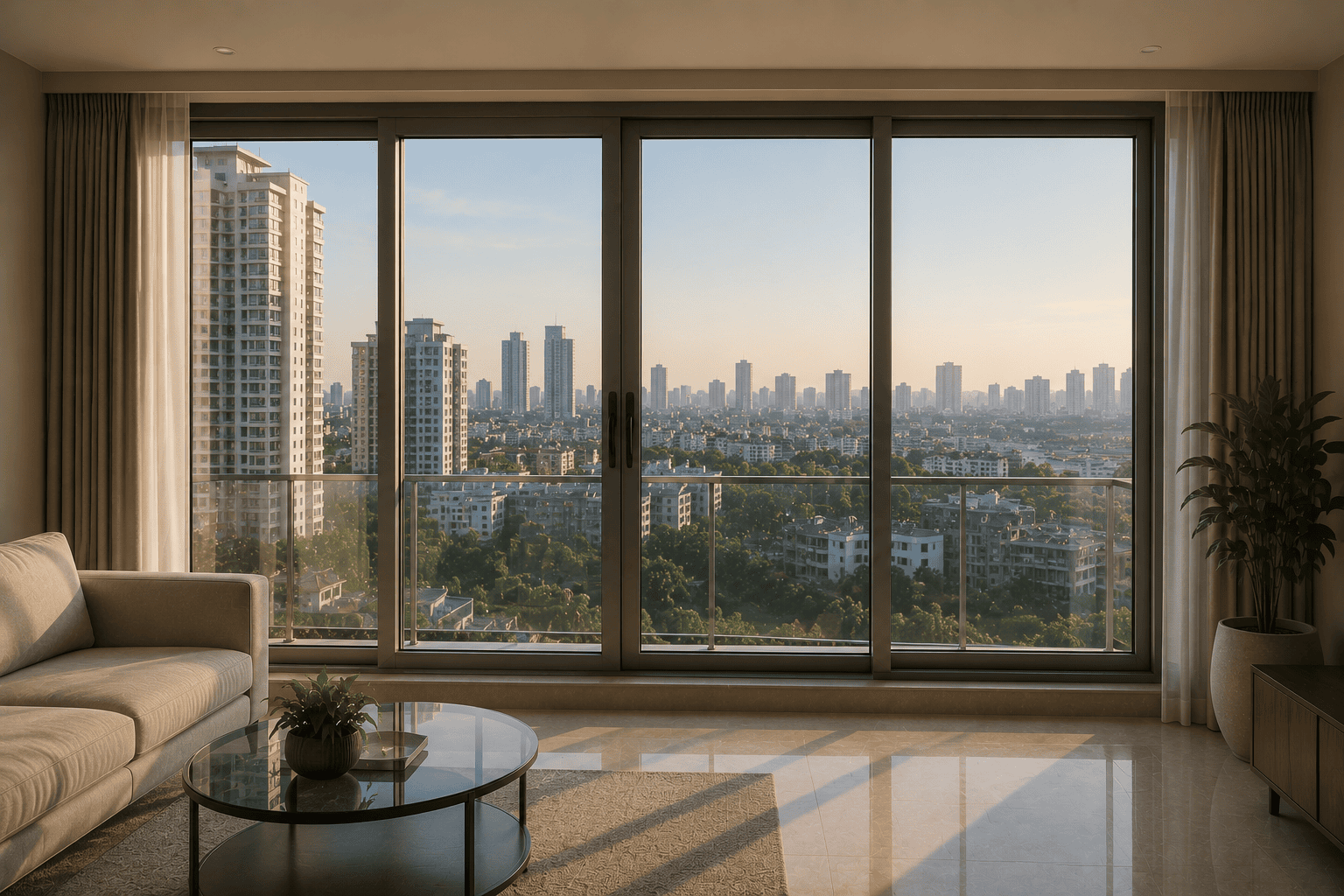
| Slimness | Limited. It needs thicker, chunkier frames to provide structural support, making the frames prominent. | The King. Its strength allows for incredibly minimalist, slimline profiles. You see more glass, less frame. | For any contemporary, large-view, or luxury project, Aluminium is the only answer. |
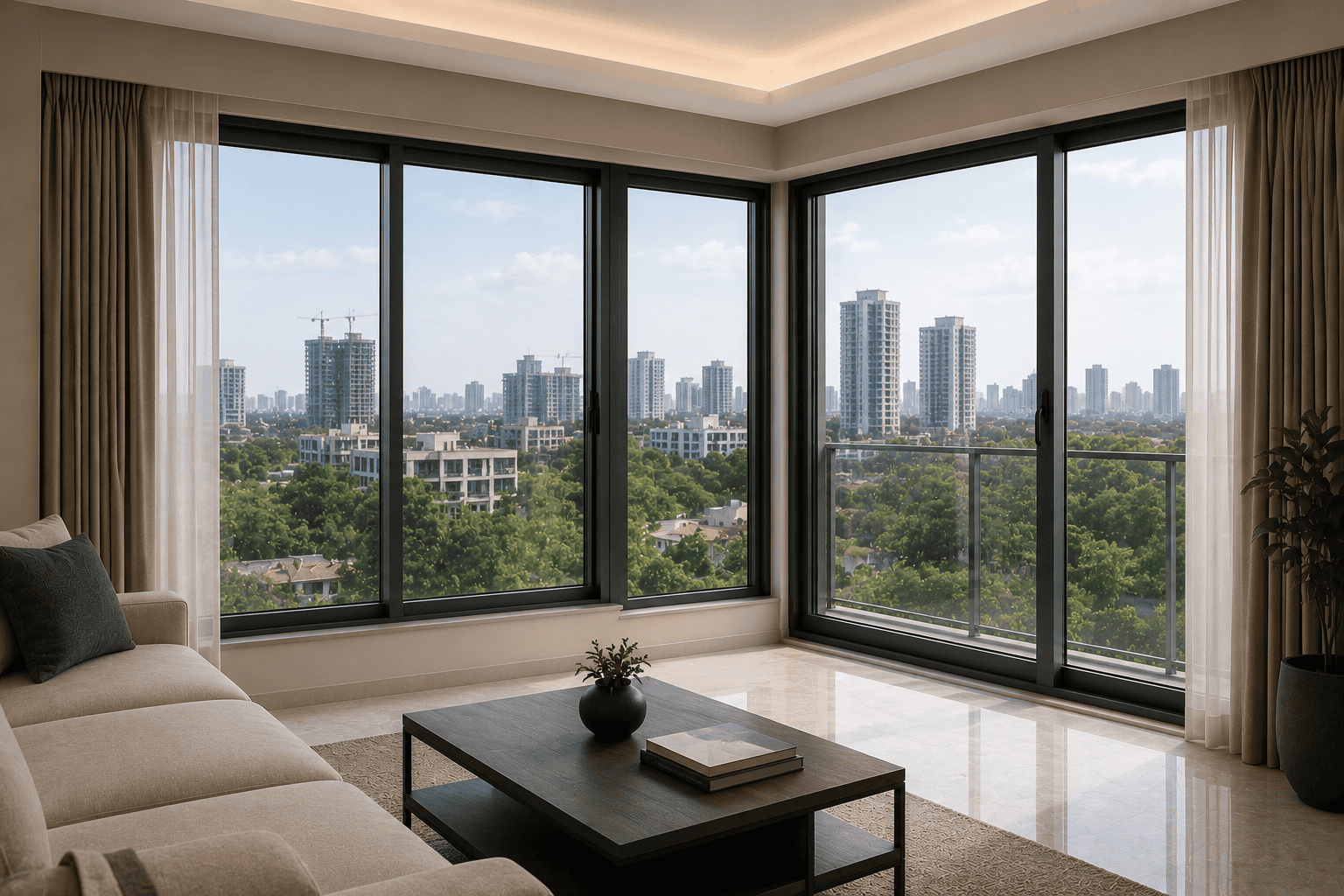
| Size | Maxes out relatively quickly. Difficult to hold huge, heavy sheets of Double Glazed Units (DGU). | Handles massive, floor-to-ceiling glass walls with ease. Perfect for modern sliding systems and expansive views. | If your vision requires erasing the wall, you need Aluminium. |
| Finish | Limited colour options (often white or simple foils). Can look plastic or sometimes cheap under close inspection. | Offers a vast array of high-quality powder-coated finishes. Can be custom-finished to look like natural wood (Deco-wood) without the upkeep. | Aluminium wins. It provides the design flexibility that architects demand. |
Round 2: Performance and Durability in the Indian Climate
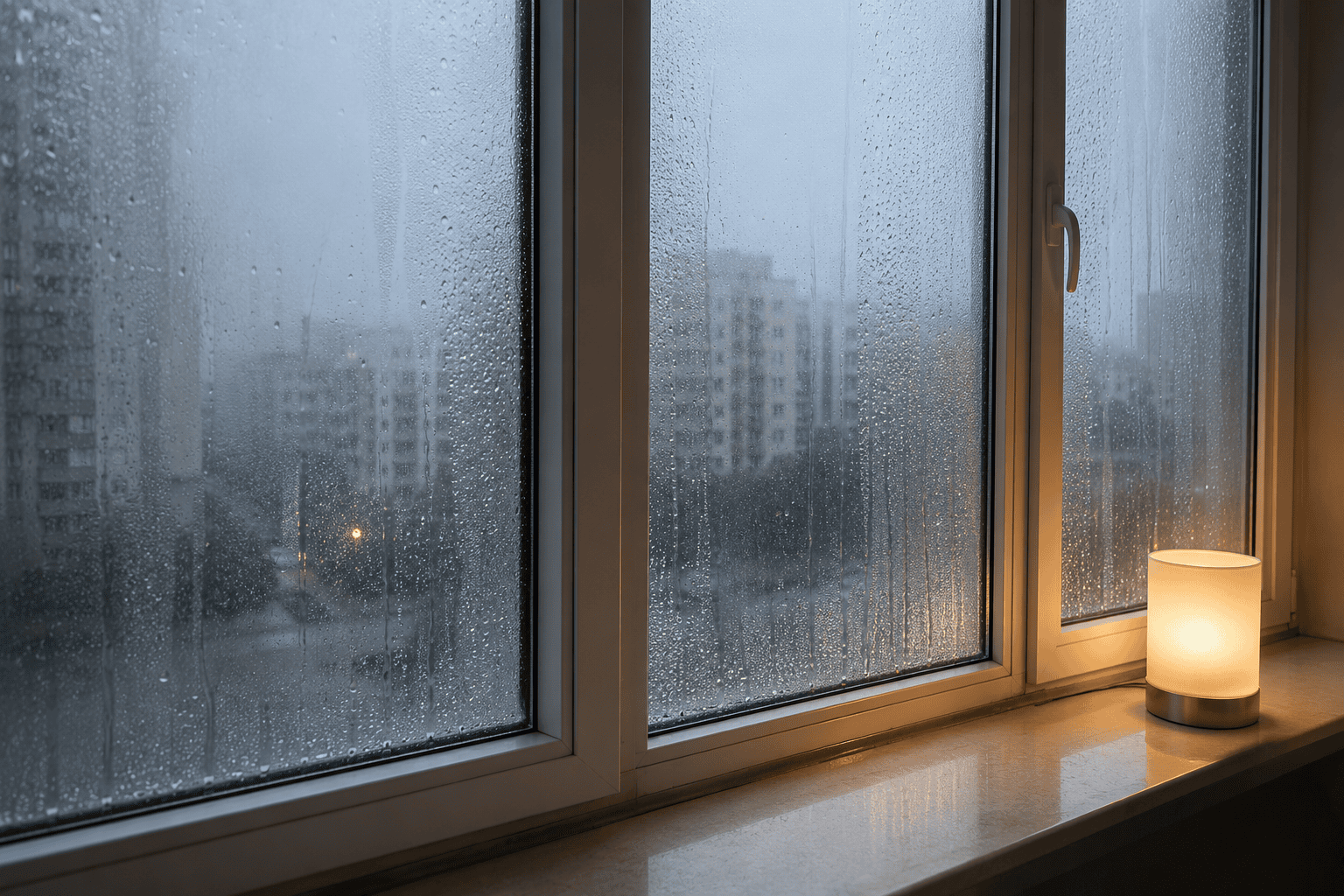
This is the most critical round. Looks don’t matter if your windows fail in the first monsoon or double your AC bill.
Thermal Performance (The Energy Bill Test)
- The Myth: uPVC is always better because it’s naturally non-conductive.
- The Truth: uPVC is good, yes, but when the glass is the main source of heat, the frame’s performance is often overshadowed. Furthermore, uPVC has stability issues when the colour is dark (it absorbs heat and can warp over time, compromising the seal).
- The Thermaline Solution: Thermally Broken Aluminium. This engineered system places an insulating core inside the metal frame, stopping heat transfer completely. When paired with high-performance DGU, it performs as well as, or often better than, uPVC because the aluminium frame is more stable and maintains its airtight seal perfectly over decades.
Structural Integrity and Stability
- uPVC: Good for small to medium windows. But in high wind loads (coastal or high-rise areas), uPVC can rattle or flex, which can damage the long-term integrity of the seals.
- Aluminium: Unbeatable. The metal core is structurally rigid and resists flexing and warping, making it the only reliable choice for high-rise buildings and areas prone to cyclones or strong winds. It ensures the seals and gaskets maintain their compression, guaranteeing a leak-free system.
Lifespan and Maintenance
- uPVC: Great low-maintenance option (no painting). Expected lifespan is usually 20–25 years before potential yellowing or embrittlement from extreme UV exposure.
- Aluminium: A much longer-term investment. High-quality, powder-coated aluminium is impervious to termites, rot, and UV damage. Expected lifespan is 30–40+ years. The initial investment pays off in durability and longevity.
The Final Takeaway: Investing in Performance
The simple answer is that the debate is no longer between the material (plastic vs. metal). It’s between the engineered system.
| If Your Priority Is… | Recommendation | Why? |
| Initial Cost & Small Windows | uPVC | It offers good thermal performance at a lower upfront investment for smaller openings. |
| Architectural Vision & Large Openings | Aluminium | Its strength enables minimal frames and vast expanses of glass that uPVC cannot handle. |
| Long-Term Energy Efficiency & Comfort | Thermally Broken Aluminium | It offers superior thermal performance and structural stability, maintaining the perfect seal for decades longer than plastic. |
| High-Rise / Coastal Living | Thermally Broken Aluminium | It’s the only material with the strength and finishing options to resist high wind loads and salt corrosion. |
At Thermaline, we believe you should choose a window that is engineered to outlast your home loan. While uPVC is a good budget solution, high-performance, thermally broken aluminium provides the structural integrity, aesthetic freedom, and long-term energy savings that truly elevate a modern Indian residential project.