
Introduction
I know a secret that can make or break the entire aesthetic of a dream home before the first piece of furniture even arrives. The secret isn’t in the floor—it’s in the frame. Specifically, the aluminum window.
The aluminum window is more than just a piece of hardware; it is a framing device for your life. It captures the light, invites the view, and provides the sleek, structural precision that defines modern luxury. If you want that “magazine cover” finished, stop looking at the wallpaper and start looking at the frames.
Let’s know why this material has become the cornerstone of contemporary dream home styling.
What Makes an Aluminum Window Architecturally Superior
Slim Profiles, Expansive Views
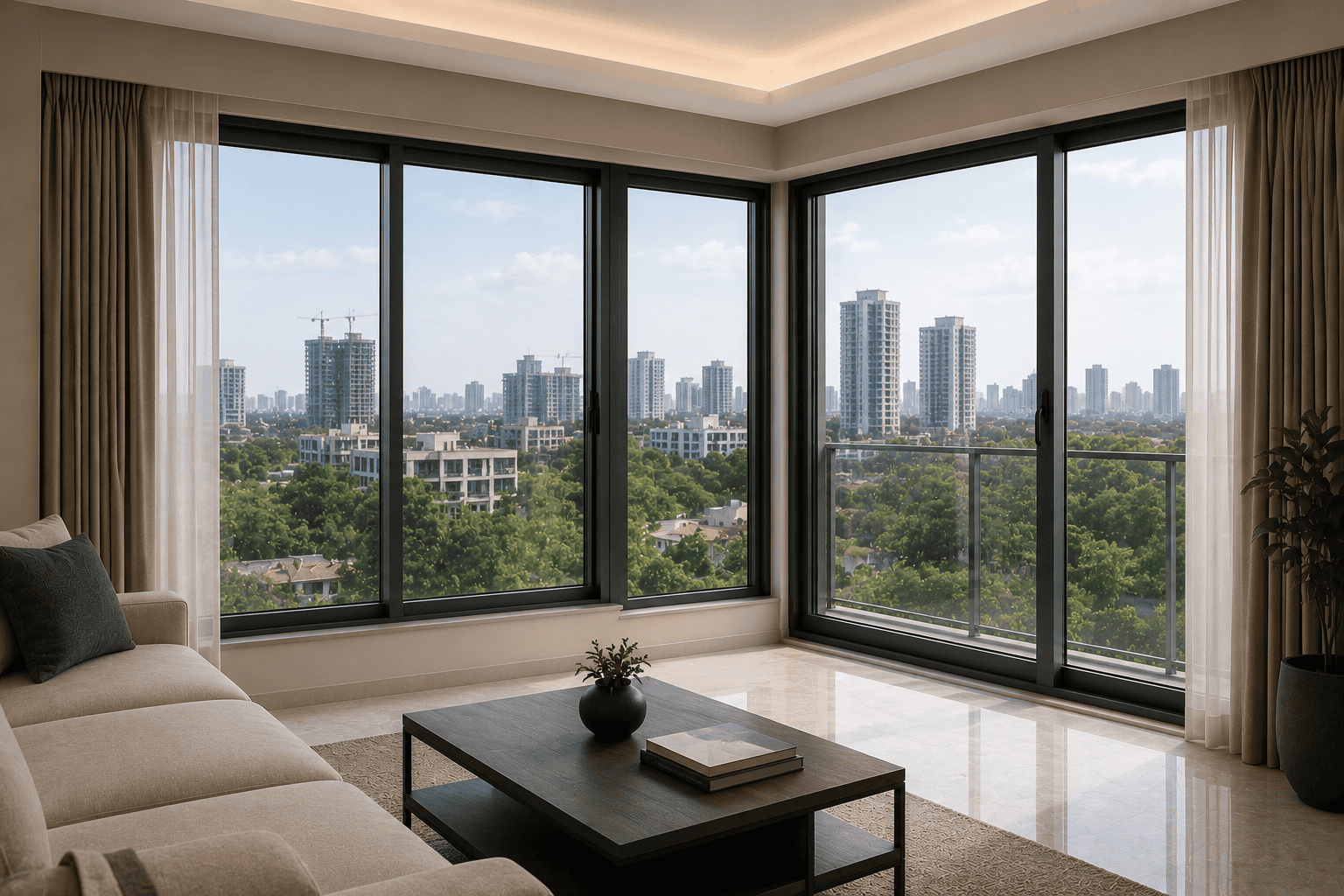
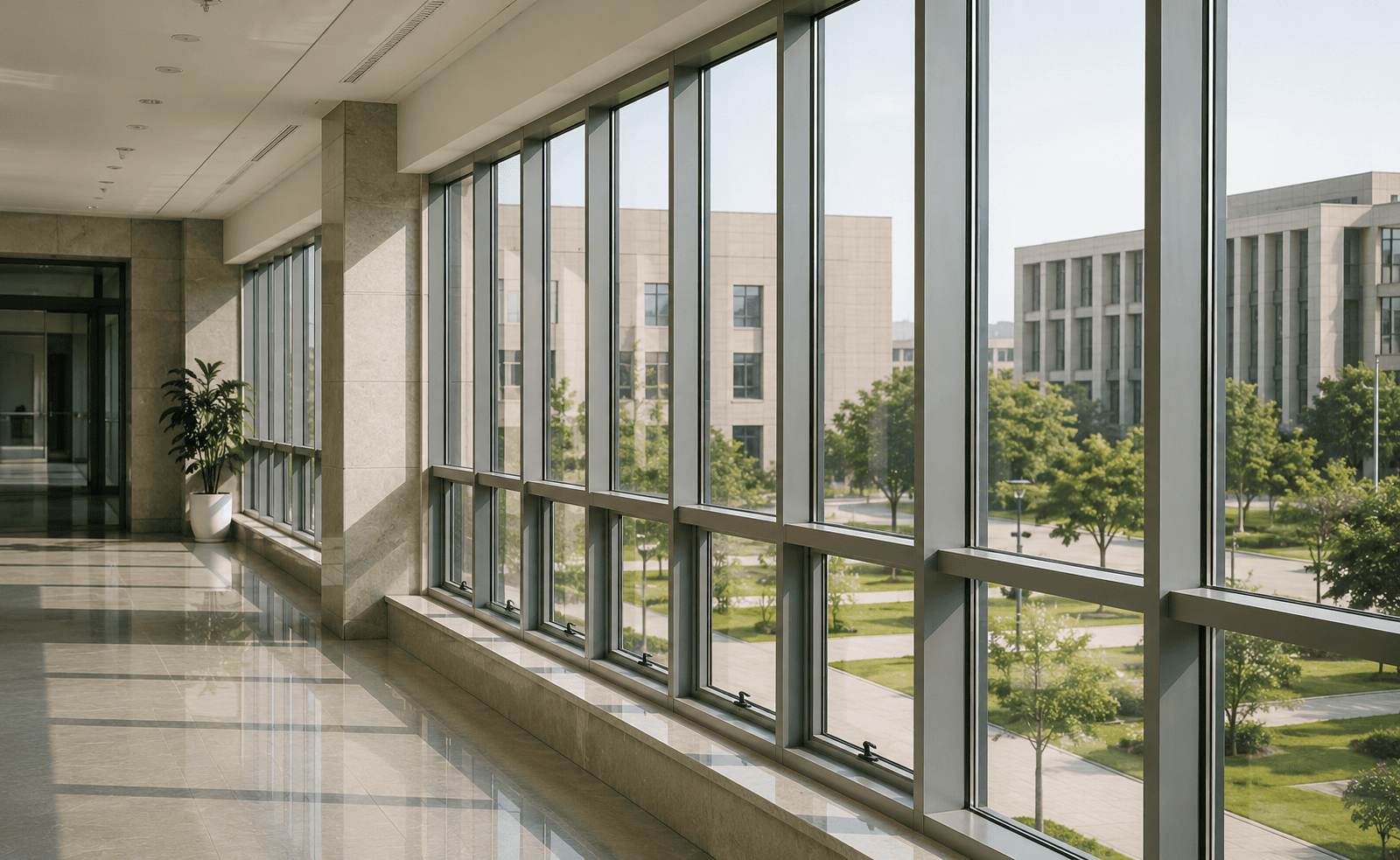
High-end design thrives on proportion and clarity. Aluminum’s structural strength enables ultra-slim frames, which means more glass and less visual obstruction.
The benefits of using aluminium as the base material for the frame are:
- Larger daylight penetration
- Stronger visual connection to landscapes
- Elegant, uninterrupted views
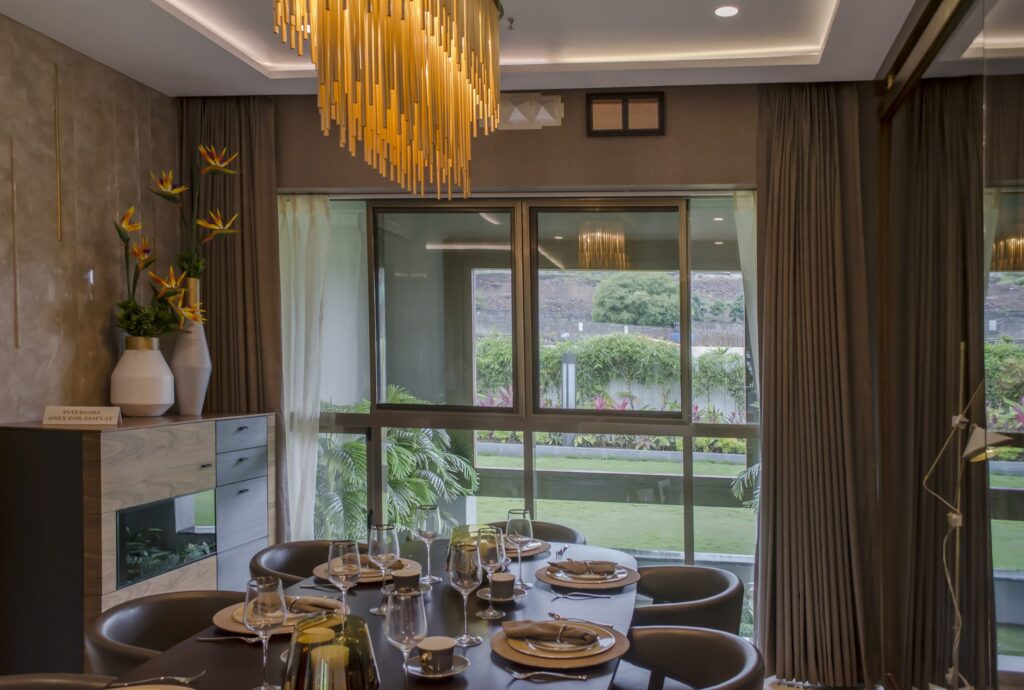
This refined appearance instantly elevates any aluminum glass window installation. When you use a high-quality aluminum window, you’re essentially replacing a bulky wall with a transparent veil. That “high-end look” people crave is often just the result of maximizing the glass-to-frame ratio. It’s about unobstructed views and the feeling that the landscape is part of your living room decor.
Strength-to-Weight Ratio
Aluminum’s exceptional strength-to-weight ratio is one of its biggest advantages. It supports heavy glazing panels without warping, swelling, or cracking over time. From an engineering standpoint, that reliability is invaluable.
Durability Meets Sustainability
Luxury isn’t just about looks; it’s about longevity. A high-end home shouldn’t require a window replacement in fifteen years.
Corrosion Resistance:
Aluminum doesn’t swell, crack, or rot.
Thermal Efficiency:
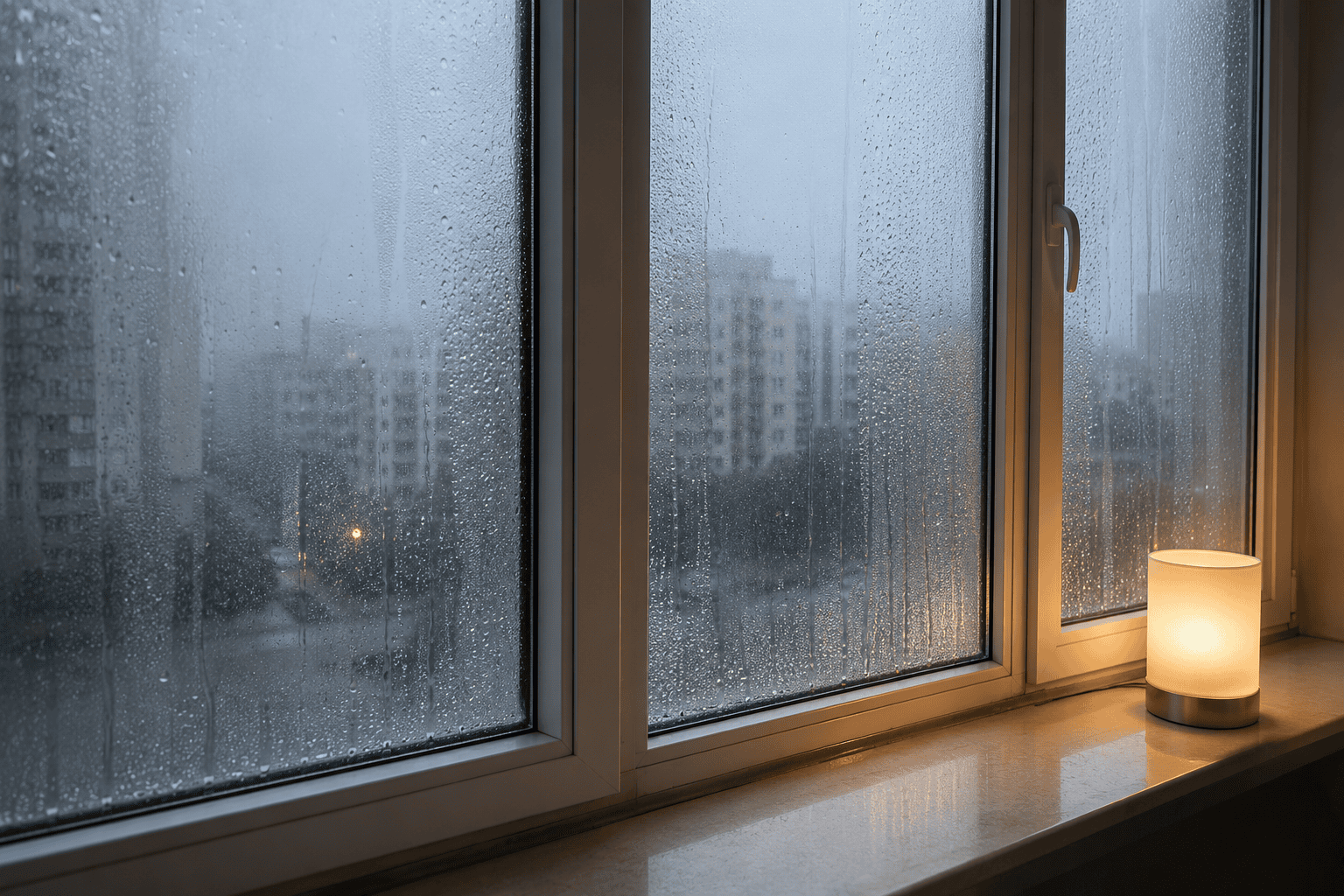
Modern aluminum windows use “thermal breaks” (polyamide strips) that prevent heat transfer, ensuring the home remains energy efficient despite the large glass surfaces.
Recyclability:
For the eco-conscious homeowner, aluminum is infinitely recyclable, making it a responsible choice for a legacy home.
Unlike timber, aluminum won’t expand in humidity. Unlike uPVC, it doesn’t weaken under UV exposure. It maintains structural integrity for decades.
The Sound of Silence
There is a specific “thunk” when you close a high-end aluminum window. It feels like closing the door of a German luxury sedan. That acoustic seal and the weight of the double or triple glazing create a sanctuary. In luxury design, silence is the ultimate amenity.
Space Optimization
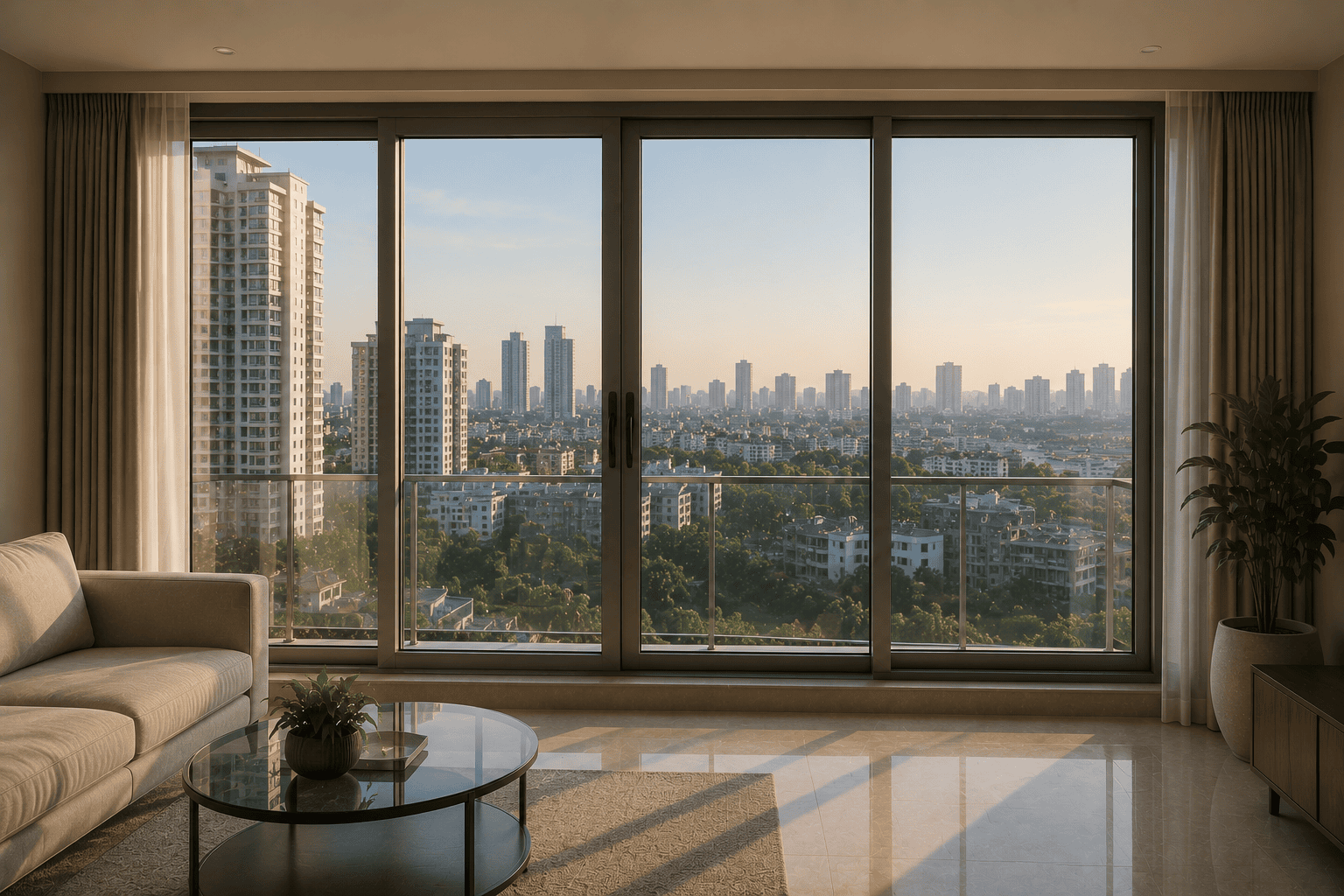
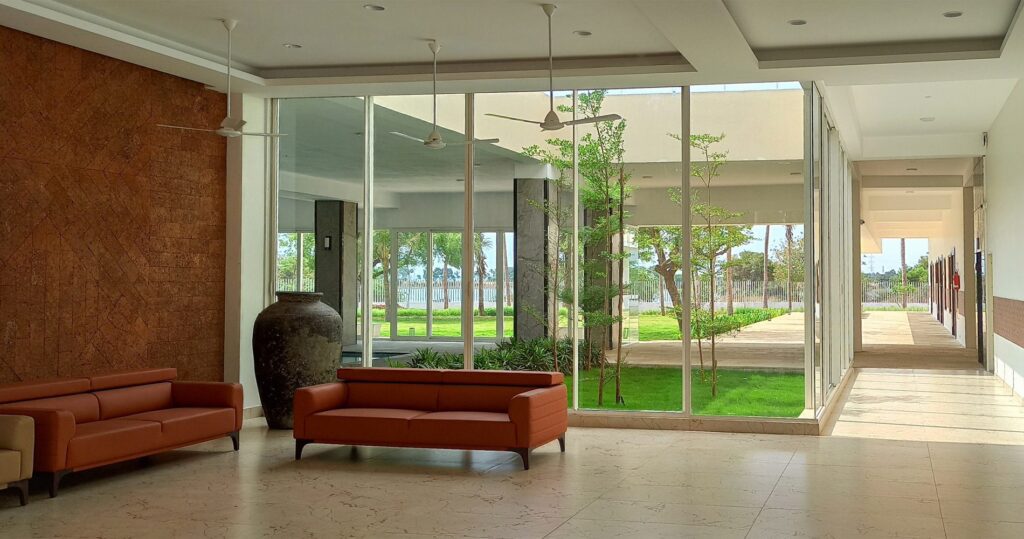
Sliding window design isn’t just trendy; it’s intelligent. Unlike casement windows, sliding systems don’t project outward. That makes them ideal for:
- Compact urban plots
- Balcony-facing rooms
- Kitchen ventilation zones
Their linear operation aligns beautifully with contemporary minimalism.
Contemporary Aesthetic Language
Architectural minimalism values restraint. Aluminum frames support that language by:
- Eliminating ornate detailing
- Maintaining uniform frame thickness
- Offering matte, anodized, or powder-coated finishes
The aesthetic is subtle but powerful—quiet luxury at its finest.
Energy Efficiency and Sustainability
Earlier generations of aluminum windows were criticized for thermal conductivity. However, modern systems incorporate thermal breaks that dramatically improve insulation.
Benefits include:
- Reduced heat transfer
- Improved HVAC efficiency
- Lower long-term utility bills
Moreover, aluminum is 100% recyclable. From a sustainability perspective, that aligns with green building standards and environmental responsibility.
Dream Home Styling with Aluminum Frames
Dream home styling isn’t about excess. It’s about intentional choices. Aluminum complements multiple design styles, including:
- Scandinavian minimalism
- Industrial chic
- Coastal contemporary
- Modern tropical
Color Customization and Finishes
Unlike traditional metal finishes, modern aluminum window systems offer a wide spectrum of options:
- Matte black
- Champagne gold
- Textured charcoal
- Wood-grain powder coatings
These finishes enable cohesive interior-exterior integration.
Compatibility with Materials
Aluminum pairs effortlessly with:
- Natural stone cladding
- Exposed concrete
- Timber paneling
- Brick façades
This flexibility makes it a preferred material in luxury architectural detailing.
Versatility in Modern Dream Home Styling
One of the reasons I consistently specify aluminum for luxury builds is its versatile applications. Whether we are aiming for a gritty industrial loft vibe or a soft, minimalist Scandinavian aesthetic, aluminum delivers.
Finishes:
Unlike PVC, which can look “plasticky,” aluminum can be powder-coated or anodized in almost any texture. A matte “Sable” black or a deep bronze finish provides a tactile, premium feel that screams “custom-built.”
Scale:
Because the material is so rigid, we can create floor-to-ceiling spans of glass that would warp or buckle in other materials.
Tip:
If you’re looking for that “resort” feel, go for a flush-track sliding system. It keeps the floor transition perfectly level, which is a hallmark of premium craftsmanship.
Cost vs. Value in Premium Homes
Aluminum windows are typically more expensive than uPVC alternatives. However, in high-end construction, material choice impacts property value. Investing in aluminum window systems:
- Increases resale appeal
- Enhances façade aesthetics
- Reduces maintenance expenses
From a lifecycle cost perspective, it’s a strategic decision rather than a luxury splurge.
Conclusion: Redefining Flow with Sliding Window Design
If you want to elevate a home from “nice” to “spectacular,” you have to look at how the spaces move. This is where sliding window design comes into play.
In high-end architecture, we often use massive horizontal sliding systems. A well-engineered aluminum glass window can slide with the touch of a finger, despite weighing hundreds of pounds. This allows for “pocketing” designs where the entire window disappears into the wall, erasing the boundary between the patio and the interior.
If you want a masterpiece of these sliding systems to elevate the look of your home, start choosing one of our latest collections.
FAQ
What are the architectural advantages of aluminum windows in modern home design?
Aluminum windows offer slim profiles that maximize glass surface, providing expansive views and increased natural light. Their high strength-to-weight ratio supports large panes without warping, enhancing both aesthetics and structural integrity.
How does aluminum contribute to the durability and sustainability of windows?
Aluminum is highly resistant to corrosion, does not swell or crack, and is recyclable, making it a durable and eco-friendly choice that maintains its quality for decades, reducing the need for replacements and supporting sustainable building practices.
What role do aluminum windows play in enhancing a home’s energy efficiency?
Modern aluminum windows incorporate thermal breaks that reduce heat transfer, improving insulation and HVAC efficiency, ultimately leading to lower utility bills and a more energy-conscious living environment.
Why are aluminum windows considered suitable for contemporary and minimalist architectural styles?
Aluminum windows support architectural restraint by eliminating ornate detailing, maintaining uniform frame thickness, and offering various matte, anodized, or powder-coated finishes. This creates a subtle yet powerful look aligned with modern minimalism.
How do aluminum window systems add value to high-end properties?
Although more expensive upfront than uPVC options, aluminum windows enhance resale appeal, elevate façade aesthetics, and reduce maintenance costs over time. They are considered a strategic investment to increase the overall property value.
