


Introduction
When temperatures hit 45°C, your home turns into an oven. Walls radiate heat. Floors feel warm underfoot. And standard aluminium windows? They quietly allow that heat to pour in.
Conventional window systems fail to resist the heat transferring into rooms. But, Thermal Break Systems does the job perfectly. They block heat transfer, stabilize indoor temperatures, and dramatically improve comfort.
Today, modern homeowners are no longer satisfied with basic frames and glass. They want smart homes. So, energy efficient windows, smart insulation, and durable systems that stand up to harsh summers are in high demand now. That’s exactly where Thermal Break Systems win.
Understanding the 45°C (Extreme Heat) Problem & Solution
In tropical and semi-arid climates, solar heat gain is the primary enemy of indoor comfort. When outside temperatures climb to 45°C:
- Aluminium frames absorb and conduct heat.
- Indoor cooling systems work overtime.
- Electricity bills spike sharply.
- Interiors feel unevenly hot.
Standard windows act like thermal bridges. Because aluminium is highly conductive, it transfers external heat directly inside. Windows can account for 25–30% of residential heat gain. That’s significant.
This is precisely why Thermal Break Systems have become essential rather than optional.
Why Standard Aluminium Windows Fail
Heat Conductivity Issues
Aluminium is strong and lightweight. However, it’s also an excellent conductor of heat. Hence, the bare material is a direct pathway for temperature transfer.
What happens in 45°C weather?
- Exterior heat moves through frames.
- Glass edges heat up.
- Interior air warms quickly.
Even if you install double glazing, the frame itself becomes the weak link.
What Are Thermal Break Systems?
Thermal Break Systems are advanced window and door systems that include an insulating barrier within the aluminium frame.
Instead of allowing metal-to-metal contact, these systems insert a non-conductive material—typically polyamide—between the interior and exterior sections.
This “break” interrupts heat flow.
In simple terms, Thermal Break Systems stop heat from crossing the frame.
How Thermal Break Systems Work
Let’s break it down clearly.
A thermal break:
- Separates internal and external aluminium profiles.
- Inserts an insulating strip.
- Prevents direct heat conduction.
- Improves overall thermal performance.
As a result:
- Indoor temperatures remain stable.
- Cooling demand decreases.
- Condensation risk reduces.
Therefore, Thermal Break Systems don’t just slow heat; they actively control it.
Benefits of Thermal Break Systems
The benefits of thermal break systems are versatile. They go beyond temperature control.
1. Superior Energy Efficiency
Because they reduce heat transfer, Thermal Break Systems significantly cut cooling loads.
This means:
- Lower electricity bills
- Reduced carbon footprint
- Improved energy ratings
Hence, they’re central to modern energy efficient windows design.
2. Enhanced Comfort
Rooms remain consistently cool. No hot spots near windows. No sudden temperature swings.
That steady indoor climate improves overall living quality.
3. Long-Term Durability
Thermal expansion is controlled. Frames don’t warp easily. Seal integrity lasts longer.
Therefore, the benefits of thermal break systems include structural longevity.
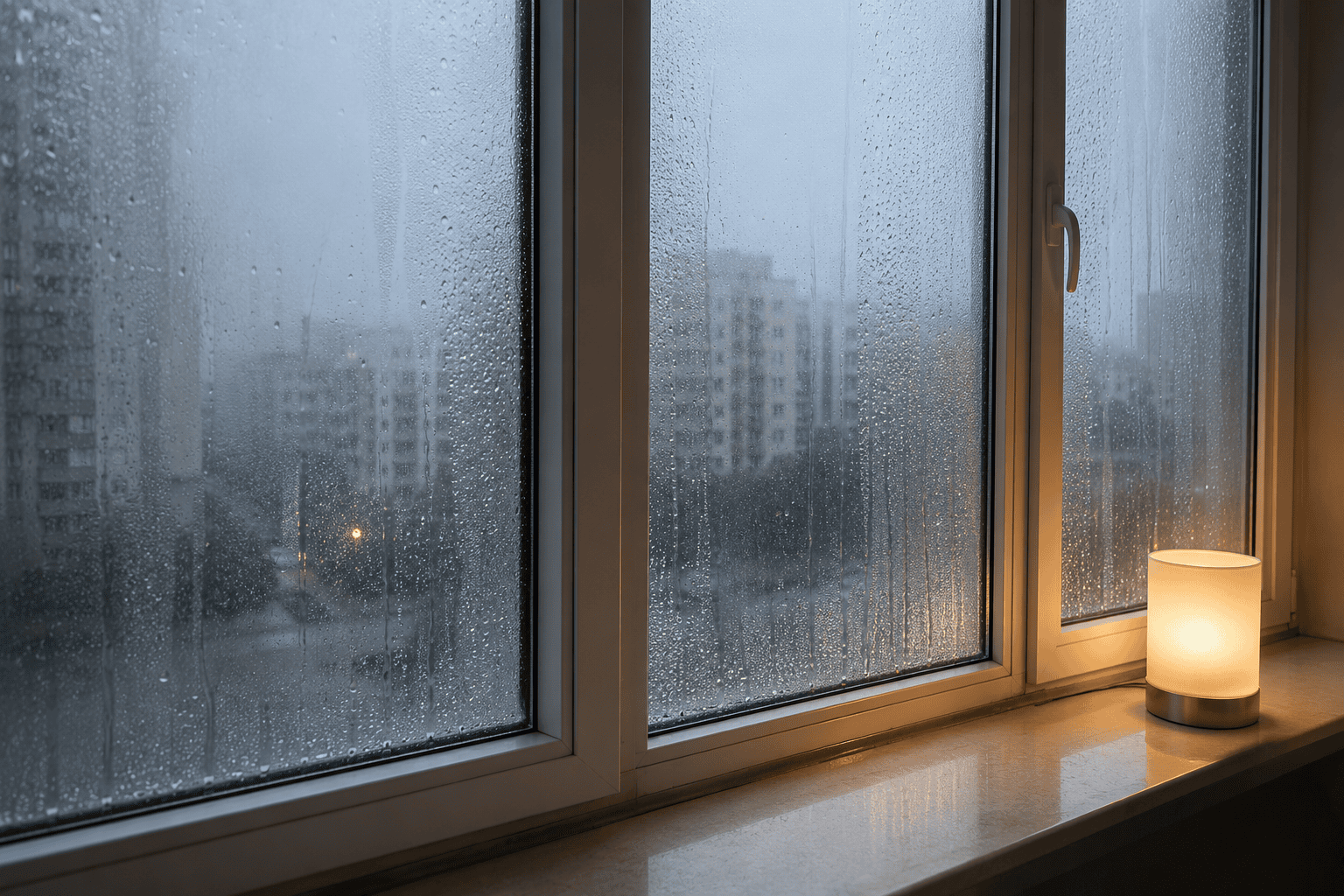
4. Condensation Control
Because frames stay closer to indoor temperature, moisture buildup is minimized.
This protects:
- Walls
- Curtains
- Wooden finishes
5. Acoustic Insulation
Although designed for thermal control, many Thermal Break Systems also enhance sound insulation.
Urban villas especially benefit from this dual advantage.
Energy Efficient Windows Explained
True energy efficient windows combine:
- Insulated frames
- Double or triple glazing
- Airtight sealing
- Thermal break technology
Without Thermal Break Systems, even premium glass underperforms.
Therefore, frame insulation is just as important as glazing.
Heat Proof Thermal Doors: Extending the Advantage
The same principle applies to doors.
Large sliding doors are beautiful. However, in hot climates, they can become major heat entry points.
Heat proof thermal doors built with Thermal Break Systems solve this challenge by:
- Blocking frame conductivity
- Supporting heavy insulated glass
- Maintaining structural strength
As villas increasingly use large openings, heat proof thermal doors become essential.
Thermaline’s Advanced Engineering
When discussing performance-driven systems in India, one name stands out: Thermaline.
Their manufacturing philosophy focuses on integrating Thermal Break Systems into modern architectural design.
Let’s examine their innovations.
Thermasteel Thermal Break Steel Window System
This system merges steel strength with thermal insulation.
Key highlights:
- Exceptional structural integrity
- Integrated Thermal Break Systems
- Slim profiles with high performance
It’s ideal for luxury villas exposed to intense sunlight.
Signature Thermal Break Aluminium Casement
Designed for premium residences, this product offers:
- High insulation values
- Smooth operation
- Excellent air tightness
Because it uses advanced Thermal Break Systems, it significantly improves indoor comfort.
EcoCasement Aluminium Window System
For homeowners seeking balanced performance, this system combines:
- Strong aluminium structure
- Optimized sealing
- Compatibility with insulated glazing
It contributes effectively to energy efficient windows design goals.
Comparing Standard vs Thermal Break Systems
| Feature | Standard Aluminium | Thermal Break Systems |
| Heat Transfer | High | Low |
| Energy Savings | Minimal | Significant |
| Comfort Level | Inconsistent | Stable |
| Condensation Risk | High | Low |
| Long-Term ROI | Moderate | High |
Clearly, Thermal Break Systems outperform traditional frames in every metric. Know the detailed explanation here: https://www.youtube.com/watch?v=McwIt9BV7PM
Long-Term ROI and Sustainability
Initially, Thermal Break Systems may cost more than standard frames. However, consider the long-term benefits:
- Reduced cooling bills
- Lower maintenance
- Increased property value
- Enhanced sustainability
Over 10–15 years, savings offset the upfront investment.
Moreover, the benefits of thermal break systems align with green building certifications.
Conclusion
In extreme heat conditions, standard windows simply can’t compete. They conduct, transfer, and amplify outdoor temperatures, increasing energy consumption and reducing comfort. On the other hand, Thermal Break Systems offer a smarter, future-ready solution. They insulate, stabilize, and protect — transforming ordinary windows into powerful performance systems.
Ready to build a cooler, smarter home? Explore Thermaline’s advanced Thermal Break Systems and upgrade your windows to performance-driven comfort today.
FAQ
What are Thermal Break Systems and how do they improve window performance during extreme heat?
Thermal Break Systems are advanced window and door systems that include an insulating barrier within the aluminium frame, typically made of polyamide, which interrupts heat flow and prevents heat transfer through the frame, thus improving performance during extreme heat.
Why do standard aluminium windows fail in hot weather conditions like 45°C?
Standard aluminium windows fail in hot weather because aluminium is a good conductor of heat, allowing external heat to pass through the frames, heating up the glass edges and indoor air, which results in increased cooling demands and uneven indoor temperatures.
How do Thermal Break Systems work to enhance thermal insulation?
Thermal Break Systems work by inserting a non-conductive insulating strip between the internal and external aluminium profiles, preventing direct heat conduction, which stabilizes indoor temperatures, reduces cooling needs, and minimizes condensation risk.
What are the main benefits of installing Thermal Break Systems in windows and doors?
The benefits include superior energy efficiency, enhanced indoor comfort, long-term durability of frames, better condensation control, and improved sound insulation, making spaces cooler, more comfortable, and cost-effective over time.
Are Thermal Break Systems cost-effective in the long run despite higher initial costs?
Yes, although they cost more initially, Thermal Break Systems offer long-term savings through reduced cooling bills, lower maintenance costs, increased property value, and sustainability benefits, with savings typically offsetting initial costs over 10–15 years.
