

Introduction
When you’re standing in a showroom or scrolling through Pinterest, every window and door looks like a masterpiece. But here’s the thing: once that system is installed in your home, it stops being a “product” and starts being a part of your daily life. Sliding Doors vs Casement Windows isn’t just about what looks better in a brochure. It’s about how much space you have to move around your living room, how the monsoon wind hits your bedroom, and whether or not you feel secure when you go to bed at night.
At Thermaline, we’ve spent years watching how these systems perform in the actual Indian climate—not just in lab tests. We’ve seen where sliders fail in dusty corridors and where casements excel in coastal breezes.
If you’re torn between these two, let’s look past the marketing fluff. Here is the honest, engineered breakdown of what works, where it works, and why.
Link- Thermaline® automated EcoCasement
Understanding the Basics
Choosing between sliding doors vs casement windows depends on what you emphasize on feeling at home. It feels emotional. It feels personal.
Both options have popular window types and door styles. Yet, they serve very different needs. Let’s understand them properly.
What Are Sliding Doors?
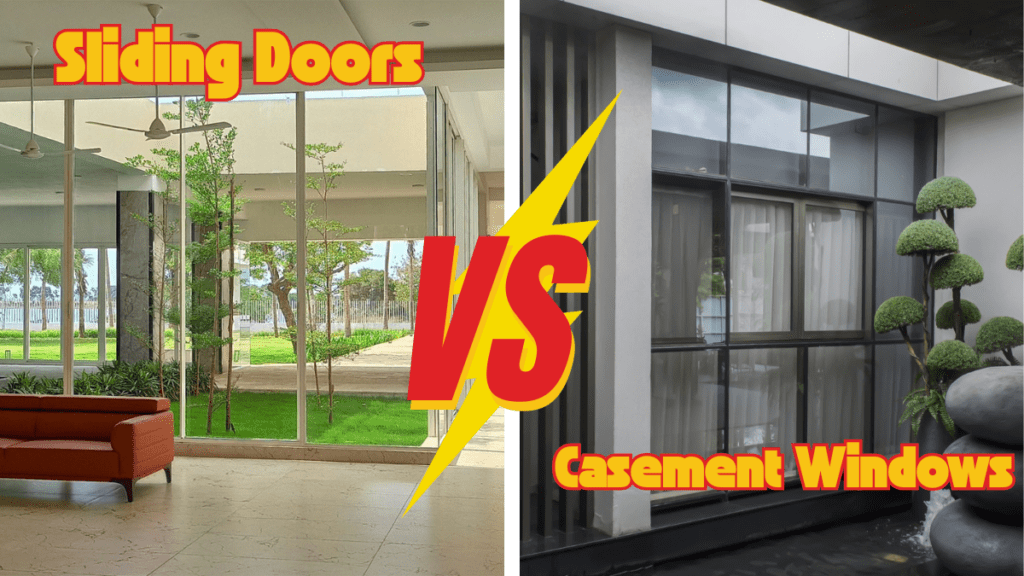
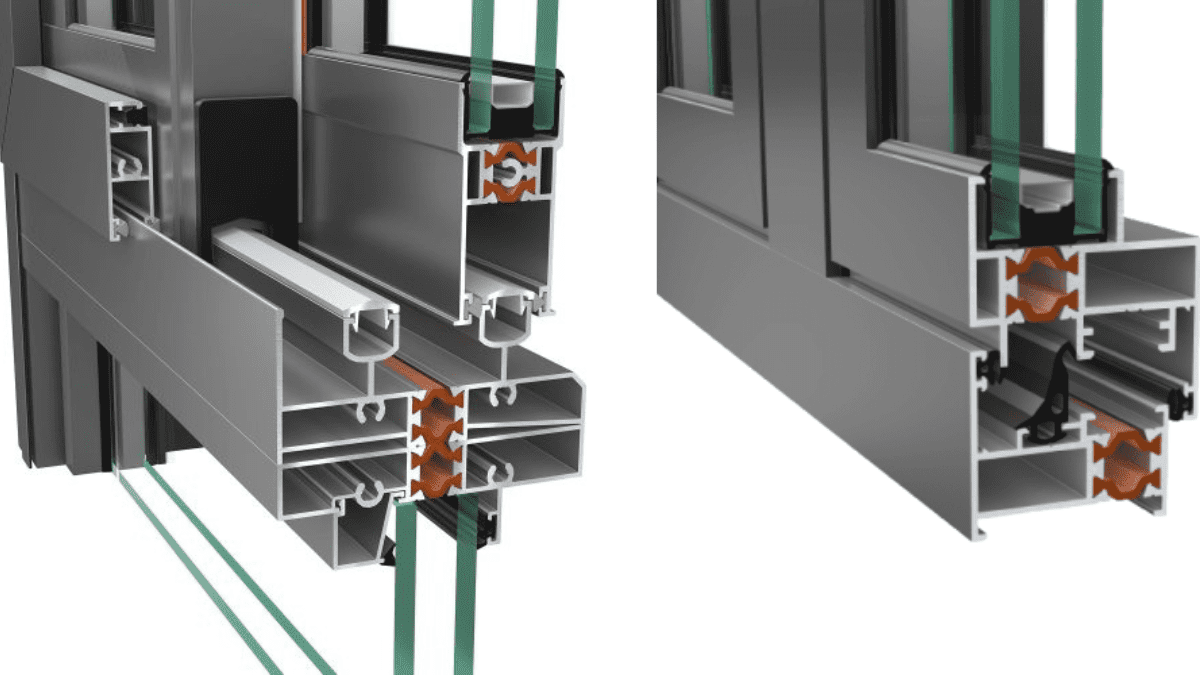
Sliding doors move horizontally. They glide on tracks. One panel slides over the other. They are often used as space-saving doors, especially for balconies, patios and living rooms.
What Are Casement Windows?
Casement windows open outward. They use hinges on the side. You crank them open. They swing wide, almost like a door. They are classic, yet modern and very functional.
Why These Two Are Often Compared
Sliding doors and casement windows are easy to get confused with. Because they both control light and air. And both influence major home design choices.
Yet their purpose seemed to be the same, their performance differs a lot.
Sliding Doors Vs Casement Windows: Key Factors
How Do They Actually Move?
Sliding doors feel easy to operate. Casement windows feel intentional, more hands-on.
So, your lifestyle matters here.
The Glide of Sliding Doors
Sliding doors sit on a track and move horizontally. Because they don’t swing out, they are the ultimate space-saving doors. They feel effortless and smooth, especially for large openings.
The Space-Saving Powerhouse
The biggest argument for sliding doors is their “zero-footprint” operation. Because the panels stay on a track, they don’t intrude into your room or onto your balcony.
- The Practicality: You can put a sofa right next to a sliding door. You can have a dining table six inches away. For a tight balcony, it’s a lifesaver because you don’t have to do a “swing dance” just to step outside.
The Compromise: Remember that with a standard two-track slider, you only ever get a 50% opening. One half is always blocked by the glass panel hiding behind the other.
However, tracks need cleaning. Otherwise, movement suffers.
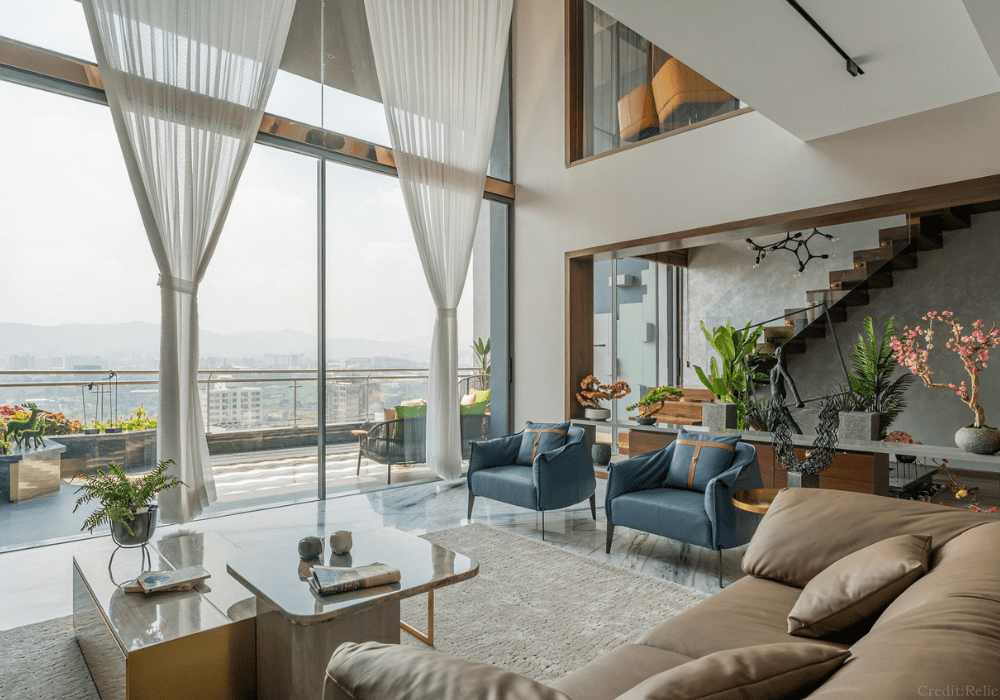
If you have a small balcony or a narrow walkway, these are a lifesaver. You don’t have to worry about a door slamming into a chair or a potted plant.
The Swing of Casement Windows
On the flip side, casement windows are attached to a frame by hinges. You usually turn a crank to push them outward. As a result, airflow improves. You control the angle. You control the breeze.
While they are technically window types, many people use large versions as door styles for side entries also.
The Ventilation Master
Casements are like miniature doors on hinges. They swing wide, usually outward.
- The Catch: You need “swing clearance.” If you have a narrow walkway or furniture placed right under the window sill, a casement can be a nuisance.
- The Benefit: However, because the entire sash moves out of the way, you get almost 100% of the opening for airflow. In a humid city like Mumbai or Chennai, that extra 50% of breeze can be the difference between a stuffy room and a comfortable one.
The downside? You need a clear “swing space” outside. If there’s a bush or a walkway right outside that opening, a casement might get in the way.
Weathering the Storm: Air, Water, and Dust
India’s climate is aggressive. Between the fine dust of the northern plains and the horizontal rains of the western coast, your windows are your first line of defense.
The “Scoop” Effect of Casements
One thing people often overlook is that an open casement window acts as a sail. If the wind is blowing parallel to your house, a sliding window will catch nothing. A casement, opened at the right angle, will “scoop” that air and funnel it directly into your room. It’s passive cooling at its best.
Sealing and the Monsoon
When it comes to the heavy rains, casement windows have a slight edge in engineering. When you close a casement, the sash is pressed tightly against the frame gaskets. It creates a high-pressure seal.
Sliding doors rely on brush seals to allow the panels to move smoothly. While Thermaline’s sliding systems are engineered to be incredibly weather-tight, a casement’s “compression seal” is inherently more resistant to extreme wind-driven rain. If you’re on the 20th floor of a high-rise facing the sea, this is a major factor.
Safety and Security: A Homeowner’s Priority
Safety creates peace. Peace creates comfort.
Let’s talk about peace of mind. When comparing sliding doors vs casement windows, the locking mechanisms are built very differently.
Sliding Door Security
Sliding doors have come a long way. Most now feature multi-point locks that grip the frame at several spots. However, the track can sometimes be a vulnerability. If a track is old or shallow, it’s theoretically easier to manipulate. That’s why many people add a “security bar” in the bottom track as a backup.
The Security of Casement Windows
Casement windows are widely loved by security experts. When you crank that window shut, the latch hooks into the frame itself. Because the hardware is tucked inside, there’s nothing for an intruder to grab or pry from the outside.
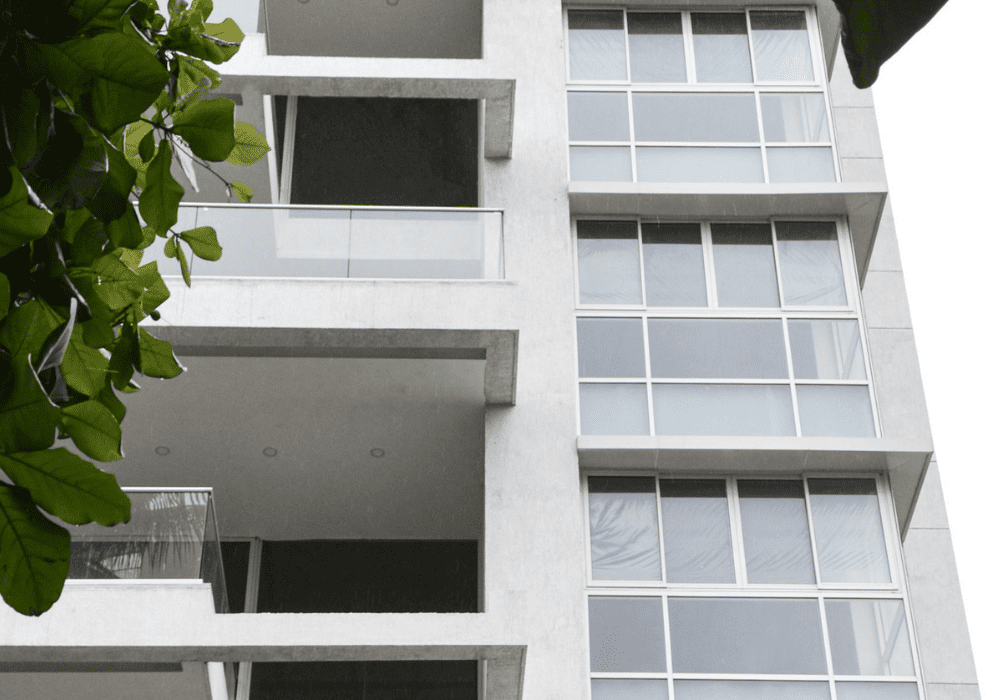
If security is your #1 goal, casement is usually the winner among standard window types.
Child and Pet Safety Comparison
Casement windows open outward. So children cannot push them easily. But, sliding doors need child locks.
Thus, families often lean toward casement windows.
Comfort and Practical Uses
How do these choices affect your Sunday afternoon? It usually comes down to air and light.
The “Sailing” Effect for Airflow
If you want a breeze, go with casement. Since the window panel swings out, it acts like a sail. It catches the wind and funnels it into your room.
Sliding doors vs casement windows regarding airflow is a bit of a lopsided fight; sliding doors can only ever be half-open. One pane is always blocking the other.
Natural Light and Views
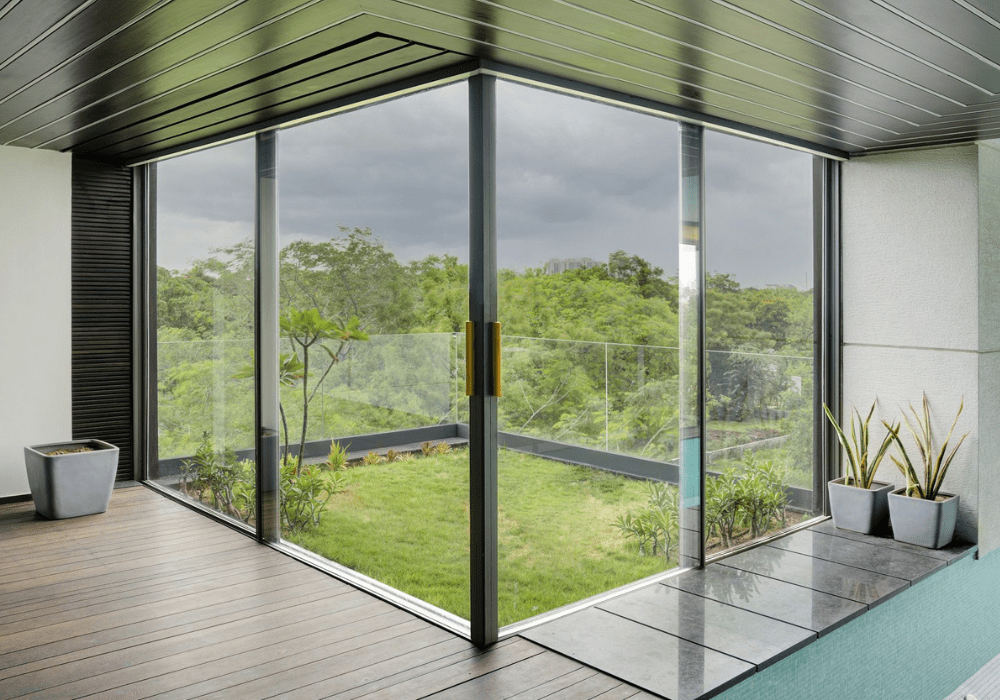
If you live for the view, sliding doors are your best friend. They offer massive, floor-to-ceiling glass. They turn a backyard into a living painting. It’s one of those home design choices that truly blurs the line between inside and out. Natural light flows in abundantly.
Noise Control and Insulation
Casement windows seal tightly. So noise stays out. Heat stays in. It acts as a thermal insulator too. Know everything you need about soundproof windows here.
Sliding doors depend on seals. High-quality doors perform well. Low-quality ones do not. Again, quality decides comfort.
sliding doors vs. casement windows: Performance at a Glance
| Feature | Sliding Doors | Casement Windows |
| Best For | Tight spaces & big views | Fresh air & high security |
| Airflow | 50% max opening | 100% opening |
| Energy Seal | Good (Weatherstripping) | Excellent (Compression seal) |
| Cleaning | Easy (Inside only) | Harder (Needs exterior access) |
Cost – Short-Term Spend vs Long-Term Value
Your budget is arguably the biggest factor in your home design choices.
Money always matters. But value matters more.
The Price Tag
Generally, sliding doors are more expensive upfront. You’re paying for a lot of glass and a heavy-duty track system. However, casement windows can get pricey if you want them in large sizes. The mechanical crank system is more complex than a simple sliding track, which can drive up repair costs later on.
Initial Cost
- Sliding doors are usually expensive, especially large glass panels.
- Casement windows cost less per unit. So they feel budget-friendly. However, sizes and materials change everything.
Maintenance and Repair Costs
- Sliding doors need track cleaning. Rollers may fail. Glass replacement is costly.
- Casement windows need hinge care. Crank mechanisms may wear out. But repairs are simpler.
Therefore, long-term costs favor casement windows.
Energy Efficiency and Savings
- Casement windows seal tightly. So energy loss reduces.
- Sliding doors can be efficient too, but only with premium installation.
Thus, efficiency depends on investment.
Space and Design Impact
Design is emotion made visible.
Sliding Doors vs. Casement Windows
- Sliding doors save interior space.Nothing swings inward.Nothing blocks furniture.
- Casement windows need exterior clearance.Which may limit placement.
So for compact homes, sliding doors shine.
Fit With Modern Home Design Choices
- Sliding doors feel modern, minimal and luxurious.
- Casement windows feel timeless, balanced and elegant.
Both suit different home design choices.
Interior and Exterior Aesthetics
Sliding doors blur boundaries. They create flow.
Casement windows create rhythm. They define walls.
Both are beautiful, in different ways.
Practical Application: What Goes Where?
Not sure where to put what? Here is a quick cheat sheet for these door styles:
The Kitchen:
Use a casement window over the sink. It’s way easier to turn a crank than to lean over a counter and slide a heavy window.
The Patio:
Use sliding doors. They are the classic space-saving doors for high-traffic areas where people are constantly moving in and out.
The Bedroom:
Casement windows are great here because they seal out street noise much better than sliders do.
If you have the room for a swing and want a breeze, casement is the way to go. If you are tight on space and want to see the sunset, go with the slider.
Final Verdict – Which Should You Choose
At the end of the day, the sliding doors vs casement windows choice depends on your home’s layout. Choose sliding doors if you want connection, if you love open views, if space-saving doors excite you, Choose casement windows if you want comfort, if ventilation matters, if safety brings peace. Both window types and door styles serve beauty, support comfort and shape daily living.
So listen to your home and choose what feels right. If you want practical examples to explore, feel free to visit our projects.
FAQ
What are the main differences between sliding doors and casement windows?
Sliding doors move horizontally on tracks and are ideal for space-saving purposes, while casement windows open outward on hinges, offering better ventilation and sealing.
Which option provides better security, sliding doors or casement windows?
Casement windows are generally considered more secure because their hardware is embedded within the frame, making them harder for intruders to pry open.
How do sliding doors and casement windows perform in India’s climate?
Casement windows offer a better seal against heavy rains due to their compression seals, making them more resistant to water ingress, while sliding doors are effective but require maintenance to ensure weather tightness.
What is the impact of these window styles on home design and aesthetics?
Sliding doors create a modern, minimal look and blur indoor-outdoor boundaries, whereas casement windows add elegance and rhythm to walls, defining spaces with a timeless appeal.
Which option is more cost-effective in the long run, sliding doors or casement windows?
Casement windows tend to have lower maintenance and repair costs over time and offer better energy efficiency, making them more cost-effective in the long term despite a lower initial price.

One Response