



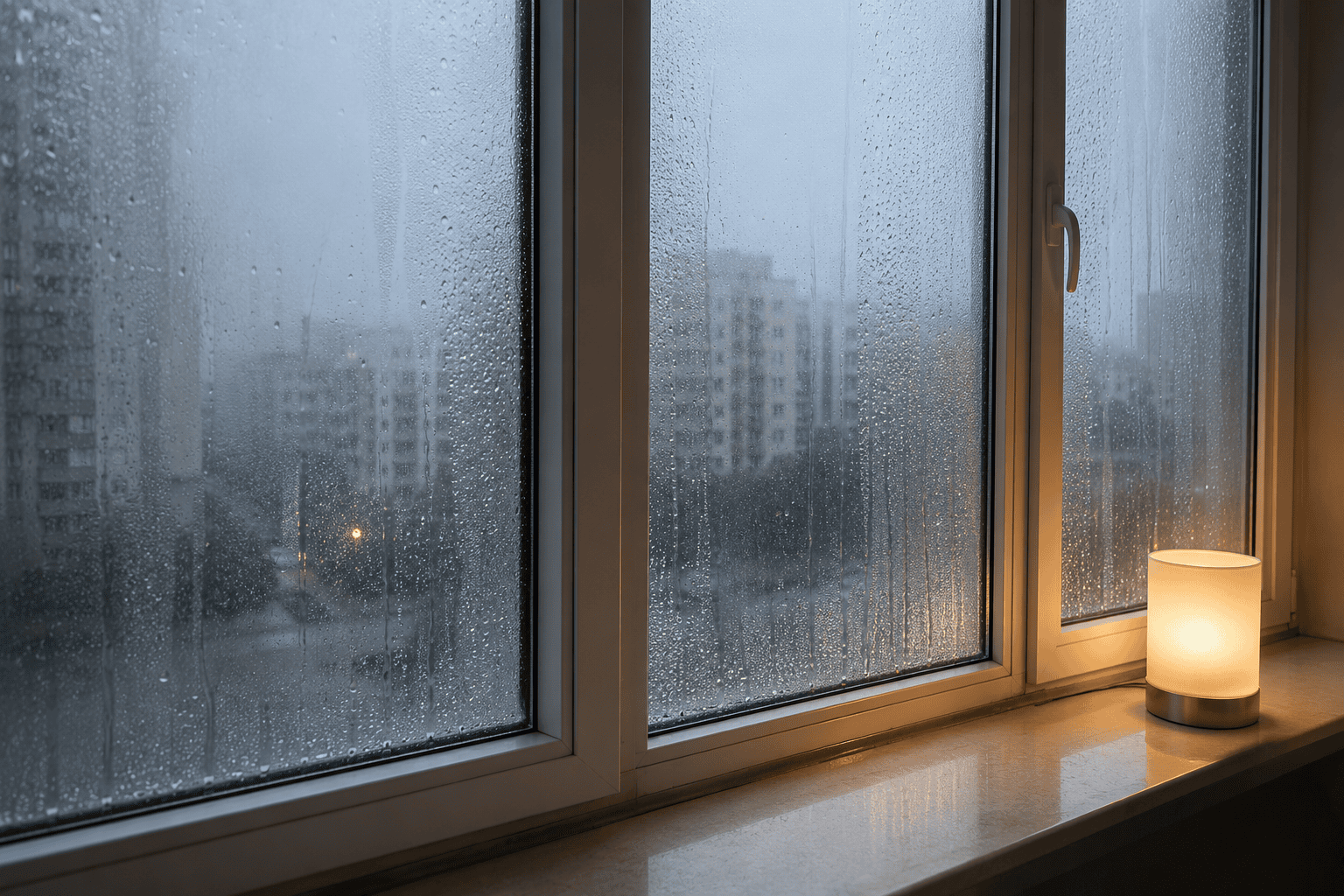

Think about this: You’ve invested in the best air conditioning unit, you’ve sealed every door, and yet, during the peak summer in India, your AC bill seems to climb higher and higher. You turn the thermostat lower, but the room still feels sluggishly warm near the windows.
What’s happening? You have a thermal leak.
The culprit isn’t the air seeping in; it’s the heat traveling straight through the metal frame of your window or door.
For decades, the great paradox of modern aluminium windows was that the metal—so strong, so sleek, so perfect for design—was also a brilliant conductor. It acted as a thermal super-highway, dragging the 45°C heat from outside directly into your cool living room.
This is where engineering steps in. At Thermaline, we focus on the Science of Thermal Breaks, a technology that doesn’t just reduce heat transfer—it actively breaks the chain of conduction, saving you serious money and maximizing your comfort.
The Villain: Understanding the Physics of Heat Transfer
To appreciate the solution, we must understand the problem. The core physics here is conduction.
- Conduction Explained: Imagine leaving a metal spoon in a bowl of very hot soup. The heat travels from the soup, through the metal, until the handle itself becomes too hot to touch. Metal loves to move energy.1
- The Thermal Bridge: A traditional, single-cavity aluminium frame acts just like that metal spoon. It’s a single, continuous piece of metal connecting the outside environment to the inside environment. This continuous pathway is what engineers call a Thermal Bridge. It’s silently and efficiently transferring heat from the exterior to the interior, forcing your expensive AC unit to run non-stop.
The Hero: What Exactly is a Thermal Break?
The solution, which is the bedrock of Thermaline windows efficiency, is remarkably elegant.
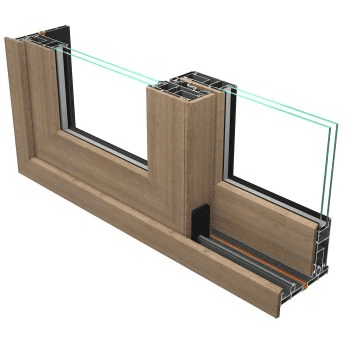
A Thermal Break is simply a strip of high-density, low-conductivity insulating material—usually a robust polyamide plastic—that is precisely inserted to separate the inner aluminium profile from the outer aluminium profile.
Think of it this way:
- The Broken Bridge: We take the thermal bridge (the continuous metal frame) and we literally break it in the middle with an insulating material. The heat travels along the outer aluminium, hits the polyamide barrier, and simply cannot jump the gap to the inner aluminium profile.
- The Coffee Cup Analogy: The insulating sleeve on your hot coffee cup allows you to hold the cup without burning your hand. The sleeve is the insulator. The thermal break does the same thing for your home—it stops the high temperature from reaching the “handle” of your window.
This technology transforms aluminium from a thermal conductor into a highly effective insulator.3
The Scientific Metric: Why U-Value Matters Most
In engineering, we measure thermal performance with the U-value. This number is your direct measure of energy efficiency.
- What is U-Value? It measures the rate of heat loss (or gain) through a material. It’s measured in
- The Rule: The lower the U-value, the better the window is at insulating.
A basic, non-thermal-break aluminium window might have a U-value of 6 or 7. A Thermaline window engineered with a quality thermal break and high-performance glazing can push that U-value down below 2. This monumental drop in heat transfer is the direct driver of your energy savings.
How Thermaline Windows Save You Money (The Triple Payoff)
The savings delivered by the science of thermal breaks come in three distinct, long-term ways:
1. Financial Savings: Lower Operational Costs
This is the most tangible benefit. When heat transfer is drastically reduced:
- Your AC units cycle less frequently.
- They don’t have to work as hard (lower duty cycle).
- The system maintains the set temperature more easily.
Over a 10 to 15-year period—the lifespan of a high-performance AC unit—the money saved on electricity can easily pay back the higher upfront cost of the engineered window system. It’s not an expense; it’s a guaranteed return on investment (ROI).
2. Comfort and Health: Eliminating the Unseen Damage
Savings aren’t just monetary. They are also physical.
- Total Comfort: Thermal breaks eliminate the ‘cold spots’ in winter and ‘hot spots’ in summer that make areas near windows uncomfortable.9 Your indoor temperature is stable across the entire room.10
- Stopping Condensation: In humid or cold climates, when warm indoor air hits a cold, conductive frame, moisture condenses (the frame ‘sweats’).11 This leads to mold, mildew, and damage to surrounding walls. Thermal breaks keep the interior frame temperature stable, eliminating condensation and protecting your home’s structural integrity and your family’s health.

3. Future-Proofing: Maximizing Property Value
As green building codes (like GRIHA and IGBC in India) become standard, the U-value of your home will become a critical factor in its resale value. A home with poor thermal performance is an outdated home. Thermal break technology guarantees your property meets or exceeds modern energy efficiency standards, securing its value for decades to come.
Beyond the Frame: Maximizing Your Thermal Performance
It’s vital to remember that the thermal break is only one part of the solution. At Thermaline, we engineer a complete system:
- The Thermal Break: Stops conduction through the metal frame.
- Double Glazed Units (DGU): Stops conduction through the glass itself, using an insulating air or gas gap.
- Low-E Coatings: Applied to the glass to reflect solar radiation (infrared heat) before it enters the home.
- Airtight Gaskets: High-quality seals prevent air infiltration (convection).
All these elements work together, but the science of thermal breaks is the critical engineering component that makes aluminium a viable, high-performance, money-saving choice for any home in India.
FAQs
What is a thermal leak and how does it affect my home cooling?
A thermal leak occurs when heat travels through the metal frames of windows or doors, causing the outdoor heat to infiltrate your home and making it difficult for your air conditioning to maintain a cool environment, ultimately increasing your energy costs.
How does a thermal break improve the thermal performance of aluminium windows?
A thermal break is a strip of high-density, low-conductivity insulating material inserted between the inner and outer aluminium profiles, preventing heat transfer through the metal and turning aluminium into an effective insulator.
What is the significance of the U-value in window performance?
The U-value measures the rate of heat transfer through a window, with lower values indicating better insulation; for instance, thermal break windows can achieve a U-value below 2, significantly reducing heat loss.
How do thermal breaks help in reducing energy bills?
Thermal breaks reduce heat transfer, causing your air conditioning units to cycle less frequently and work more efficiently, which results in lower electricity consumption and increased savings over time.
What additional features should be considered alongside thermal breaks for optimal thermal efficiency?
For maximum thermal performance, windows should incorporate double glazed units, low-emissivity coatings, airtight gaskets, and thermal breaks, as these elements work together to minimize conduction, convection, and radiation of heat.

One Response