


Introduction
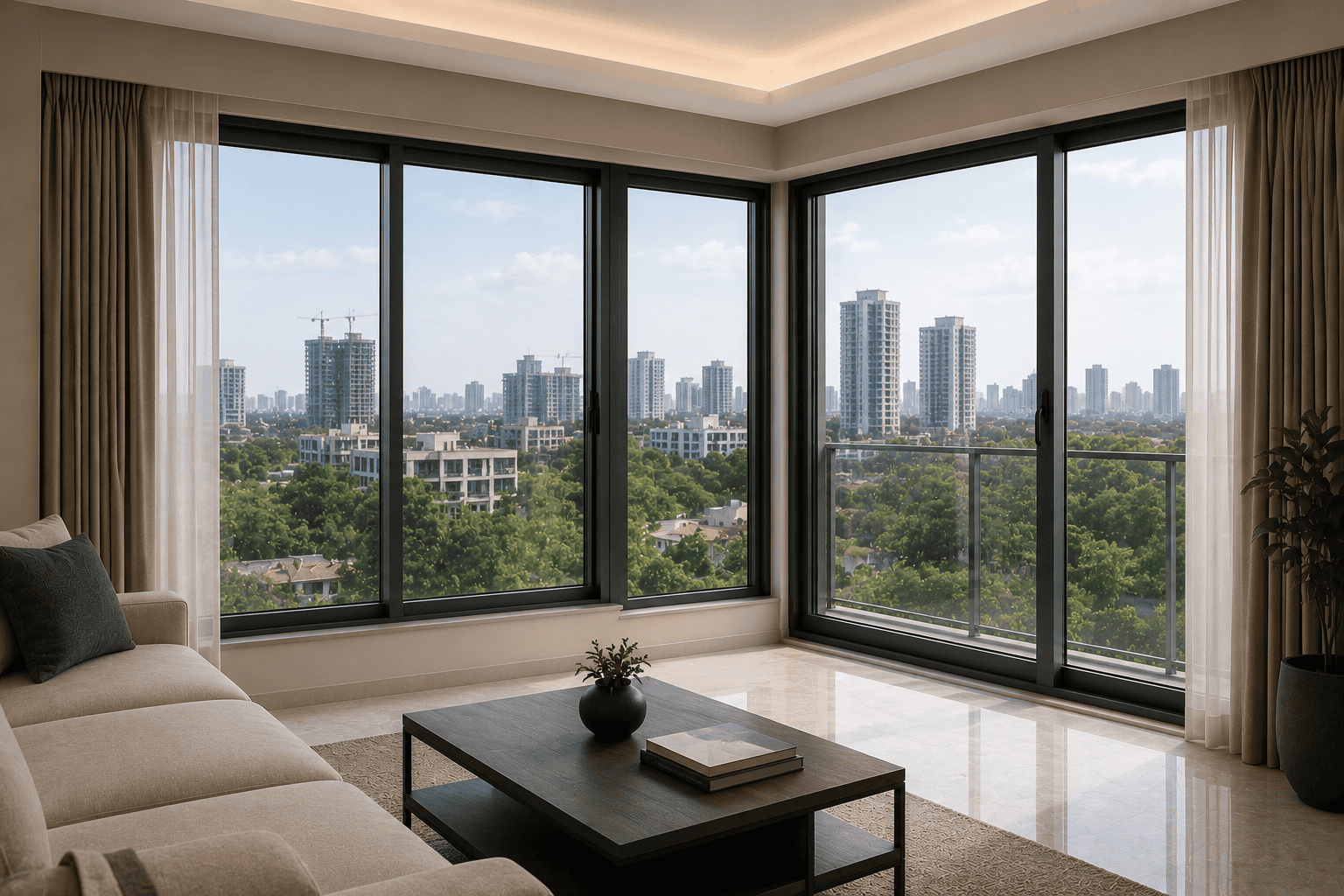
If you are planning your dream home or just renovating some new windows, you must know about U-value windows, and its role in making your home temperature static, despite whatever changes are going on outside.
Do you want to cozy yourself in winter nights without feeling the chill outside or enjoy your coffee in your perfect room temperature in summer?
“A comfortable house is a great source of happiness. It ranks immediately after health and a good conscience.” — Sydney Smith
Let me break it down for you. We’re talking about U-value windows here, and trust me, it’s one of those details that can make or break how comfy and efficient your place feels.
What is a U-Value
The U-value (or heat transfer coefficient, if you want the technical name) is basically a scorecard for how well your windows keep the heat where it belongs, inside during those chilly nights, outside when summer’s cranking up. So maintaining U-value is very much significant for your window insulation rating, which affects everything from your monthly bills to how drafty your living room gets.
Imagine indoor warmth as a full bar of heat scale. With a low U-value window, only some atoms leak out, like four solid block walls resisting the cold. With a high U-value window, heat pouring away like sand through fingers.
U-Value Definition: Simplifying the Jergon
The U-value measures how much heat is transported through a medium (the window or the wall) in watts per square meter per Kelvin (W/m²K).
The lower the number, the tougher it is for heat to slip away or barge in. It’s like scaling your window’s thermal performance on a scale.
- Low U-value? Your home stays toasty with minimal effort.
- High U-value? Expect more chills (or sweats) and a bigger energy suck.
U-Values You Need to Know
Here is a chart with different U-Values for some common materials
| Building Element | High U-value (Poor Experience) | Low U-value (Good Experience) |
| Windows | Approx 5.8 (Single Glazed) | 1.0 – 1.4 (High-end Double/Triple) |
| Walls | Approx 1.6 (Uninsulated Cavity) | 0.18 – 0.30 (Modern Insulated) |
| Roofs | Approx 2.3 (Uninsulated) | 0.11 – 0.15 (Well-insulated) |
What’s a “Good” U-Value for Home Windows?
The answer depends on your sliding system, but here’s a rough guide:
- Basic single glazing: Around 5.0–6.0 W/m²K (not great, honestly).
- Everyday double: 2.6–3.0 W/m²K (decent starter).
- Upgraded double: 1.2–1.6 W/m²K (nice for most spots).
- Triple glazing: Under 1.0 W/m²K (elite level for max efficiency).
Quick Tip:
You should try to keep the U-value for windows for below 1.5 if you’ve got big sliders, they’re glass-heavy, so every bit of insulation counts.
Why You Should Care About U-value Windows?
Yeah, you should definitely care about U-value Windows if you don’t want heat sneaking through your window like an uninvited guest.
Here’s a list of benefits of low U-value Windows:
1. Saves You Cash on Bills
Windows with a low U-value means your room heater or AC doesn’t have to work overtime. In places with a wide variation of temperature from freezing to frying, that’s real money back in your pocket over the years.
2. Keeps Things Cozy, No Matter the Weather
Ever felt the chill under a blanket right by the window in winter? That’s a red flag for poor insulation.
Good U-value windows zap those cold spots, keeping temps even so you can lounge without layering up. In summer, the scorching heat outside can’t enter the room.
3. Welcome Freshness
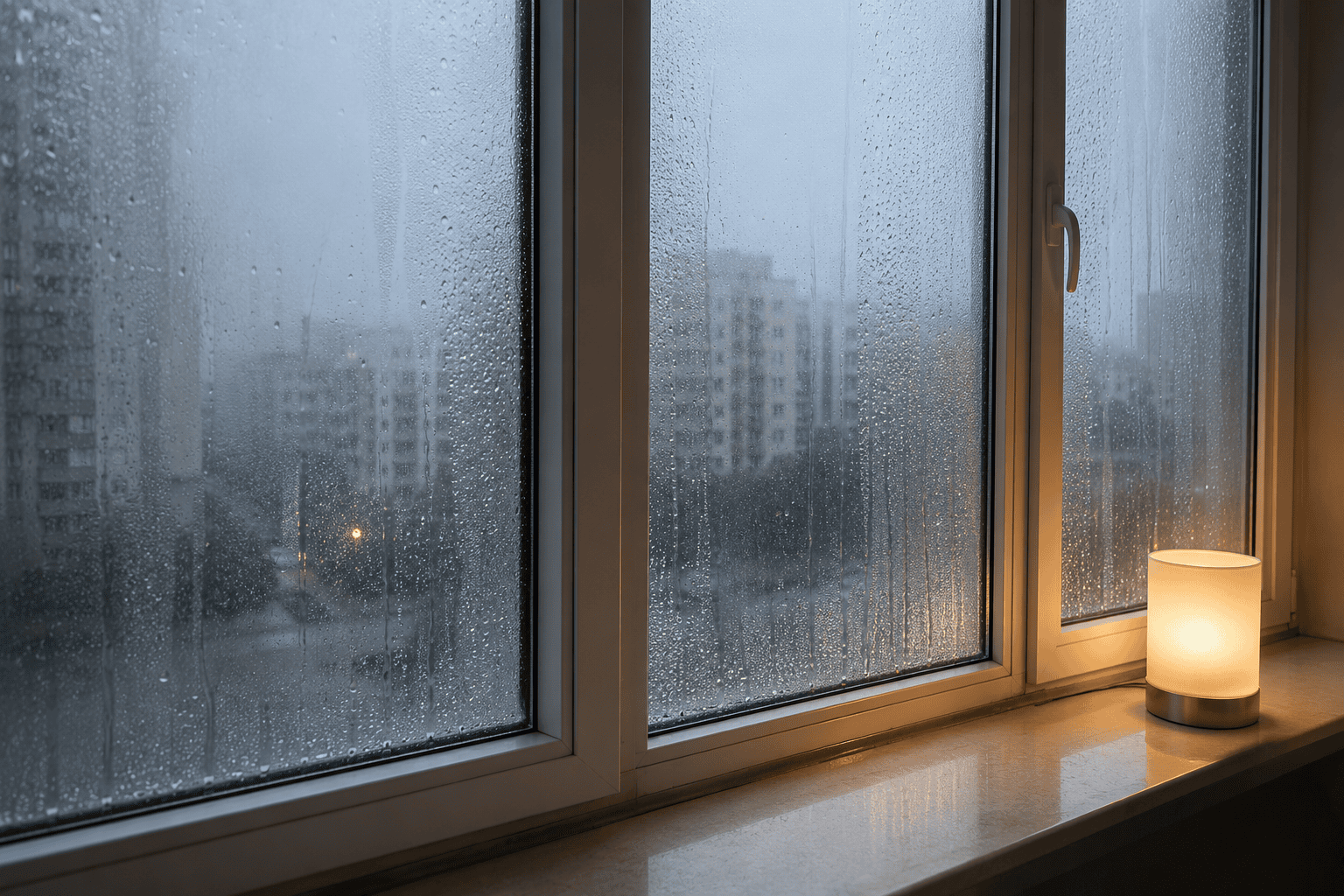
Do you know? Your window’s inner side chills fast, turning into a moisture magnet.
So, foggy glass, mold spots, and that musty smell nobody wants, become the resident.
But with good insulation or low U-value Windows the surfaces stay warmer: less drip, longer-lasting frames, and air that’s actually fresh to breathe.
4. Ecofriendly and Sustainable
U-value Windows passes less energy. That means fewer emissions and a lesser carbon footprint.
If you’re into that eco-vibe or just want a home that ticks the “sustainable” box, prioritizing thermal performance is a no-brainer. It lines up with all those green building trends without feeling preachy.

How To Choose the Right Sliding System for Your Windows
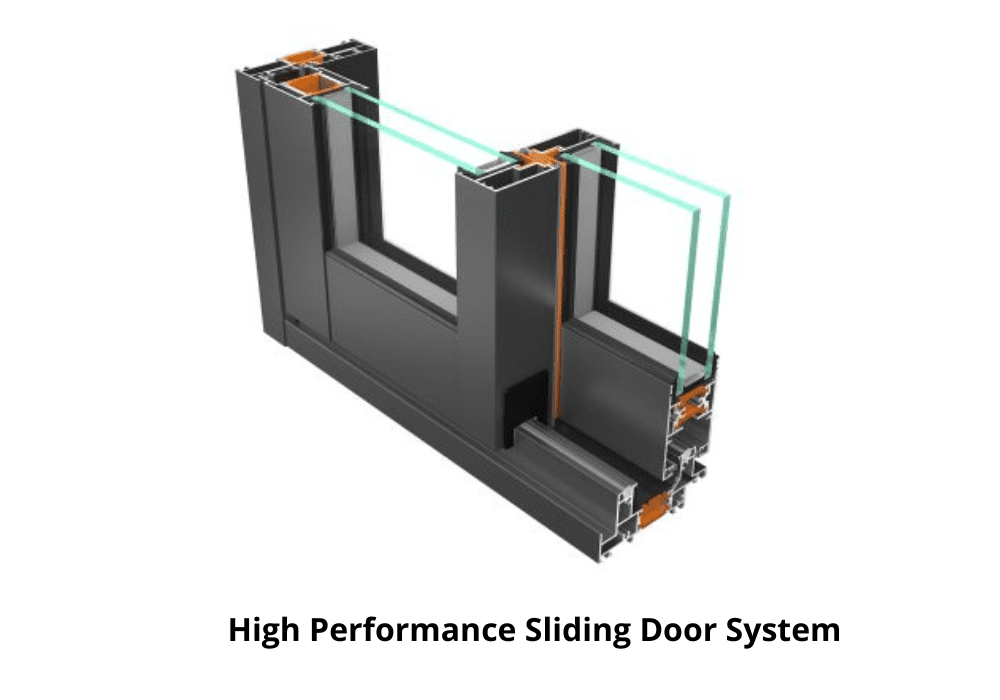
It’s not just the glass doing all the work, it is a team effort. The total heat transfer coefficient from the whole setup including the panes, the stuff between them, the frame, and those sneaky edges decides how fast the heat will leak.
Factors to Consider
- Glazing setup: Single pane is obsolete now. You should choose a double or triple layered pane for better heat trapping.
- Mind the fills: Always choose Argon or krypton gas filled sliding system. Argon and Krypton have very low transfer coefficient than regular air. This setup slows down thermal movement, which lowers heating/cooling effects and prevents condensation acting like a cozy blanket between layers.
- Coatings: Make sure your window contains low-E glass. This glass has super-thin, clear layers of metal or metal oxide (usually silver) on its surface. These invisible layers block infrared heat to keep warmth in or out. At the same time, they let visible light pass right through, so your view stays clear.
- Frame choices: The material used in the frames are also important. Choose aluminium or wood for better heat insulation. Aluminum with thermal breaks halt cold conduction, plus uPVC and wood’s natural insulating properties help trap warmth inside. Learn the detailed comparison here.
- Seals and spacers: High quality seals and spacers fill the gap keeping everything intact. So, heat transfer becomes minimum.
Consider all these factors and your overall window energy rating climbs so as your comfort in your dream home.
A Quick Note on Sliding Windows and Doors
These bad boys look amazing but can be insulation weak spots with all that exposed glass and moving parts. Smart designs fight back with broken-metal frames, multi-layered seals, and top-tier glazing. Get it right, and they slide smooth while keeping the heat honest—no compromises on style.
Busting a Few Myths I’ve Heard Too Often
- “It’s all about the glass.” Nope—frames and how you install them can tank your window insulation rating faster than you think.
- “Low U means dark rooms.” Wrong! Today’s coatings let light flood in while blocking the bad heat.
- “Only matters if you’re in snowy country.” Ha, try baking in the heat—low U-values keep cooling costs down too.
How to Pick the Perfect U-value window: The Financial Factor
Choosing a thermally insulated sliding window on a budget requires balancing the frame material, glass type, and sealing quality. While “thermal break” systems are the gold standard, there are cost-effective alternatives that provide high insulation for a fraction of the price.
Cost Comparison of Window Frame Components
The frame accounts for a significant portion of the price. Here is how they compare in terms of insulation and cost:
| Material | Insulation Level | Relative Cost | Best in Use |
| uPVC (Vinyl) | Excellent | Low | Maximum insulation at the lowest price point. |
| Standard Aluminum | Poor | Lowest | Budget projects in mild climates (no insulation). |
| Thermal Break Aluminum | Good to Excellent | High | Premium durability and slim aesthetics. |
| Wood | Good | High | Traditional aesthetics; requires high maintenance. |
Pro Tip for Low Cost:
Choose aluminium. It is a natural insulator, so it doesn’t need an expensive “thermal break” insert to keep your home warm or cool. But if you want cost friendly solution, go for uPVC.
The Glass: Where Efficiency Happens
Since glass covers about 80% of the window surface, this is where you should invest your remaining budget.
- Double Glazing (Standard): Two panes with an air gap, this is the minimum requirement for a “thermally insulated” system.
- Low-E Coating (Best Value): A microscopic “Low-Emissivity” layer reflects heat back into the room in winter and blocks solar heat in summer. Adding this is often a small upgrade fee but significantly boosts performance.
- Argon Gas Fill: Replacing the air between panes with Argon gas reduces heat transfer. It is a low-cost element that offers a high return on energy savings.
Pro Tip for Low Cost:
When choosing a gas fill for your sliding windows, you are essentially choosing between Argon (the value choice) and Krypton (the premium choice).
Other Important Elements to Consider
When looking at quotes, ensure these “hidden” elements are included to avoid performance failure:
- EPDM Rubber Gaskets: Ensure the sliding tracks use high-quality EPDM gaskets. This prevents air leaks which can ruin the insulation of even the best glass.
- Multi-Point Locking: This doesn’t just provide security; it pulls the sliding sash tighter against the frame, creating a better thermal seal.
- Wool Pile/Weather Stripping: In sliding systems, the “brush” or wool pile at the top and bottom of the door is critical for stopping wind. Always choose high-density, silicone-treated piles.
Cost-Saving Strategy for U-Value Window
- Standard Sizes: If you are still in the design phase, stick to “standard” manufacturing sizes. Custom-sized sliding systems can cost 40% more.
- Go Local with Premium Profiles: Look for local fabricators who use reputable profile brands. You get the engineering of a global brand with the lower labor costs of a local installer.
- Prioritize the U-Value: Look for a U-Value (thermal transmittance) of 1.6 W/m²K or lower. A lower number means better insulation.
Conclusion
Don’t just grab the good looking window, think about your weather, which way your windows face, room sizes, and if you want sliders or fixed. Tie it to your big-picture energy dreams, and that low heat transfer coefficient will anchor everything.
Premium U-value windows hit the wallet harder. But the effect on electricity bills, home value, cozier vibes and less fixing-up will always talk profit. It’s a steal over time. Your future self and resale buyers will thank you.
FAQ:
1. What is a good U-value for windows in a residential home?
Answer: For most modern homes, a U-value of 1.2 to 1.6 W/m²K is considered excellent for double-glazed windows. If you have large sliding glass doors, aiming for a U-value below 1.5 is critical because the large surface area of the glass can become a major source of heat loss. High-end triple glazing can even reach “elite” levels below 1.0 W/m²K.
2. Does a lower U-value mean better window insulation?
Answer: Yes. The lower the U-value, the better the insulation. The U-value measures the rate of heat transfer; a lower number means it is harder for heat to escape during winter or “barge in” during summer. Choosing a low U-value helps maintain a static indoor temperature and reduces the strain on your AC and heater.
3. How can I lower the U-value of my sliding windows on a budget?
Answer: To balance cost and efficiency, focus on the glass and gas fills. Using Low-E (Low-Emissivity) glass with an Argon gas fill is a high-return investment that significantly lowers U-values for a small upgrade fee. Additionally, choosing standard manufacturing sizes instead of custom shapes can save you up to 40% on the total cost.
4. What is the difference between Argon and Krypton gas fills for windows?
Answer: Both gases are used to fill the space between glass panes to reduce heat transfer. Argon is the “value choice,” offering excellent performance at a lower price point. Krypton is a “premium choice” that provides even higher insulation (lower U-value) but at a higher cost. For most homeowners, Argon-filled sliding systems provide the best ROI.
5. Why do my windows get condensation or mold, and can U-value fix it?
Answer: Condensation and mold often occur when a window’s inner surface gets too cold, turning it into a “moisture magnet.” Windows with a low U-value keep the interior glass surface warmer. This prevents “foggy glass,” stops mold growth, and protects your frames from moisture damage, leading to fresher indoor air.
